How has the perception of carob changed among locals and tourists in Mallorca recently?
Similar Topics
carob mallorca
tramuntana food
mallorca local ingredients
sustainable crops mallorca
sobrassada
pa amb oli
binissalem wine
mallorca gastronomy
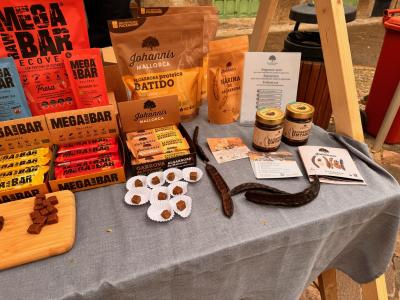
Once largely overlooked as a simple chocolate substitute, carob has recently gained renewed appreciation along the Tramuntana and beyond. Traditionally used in Mallorca's rural households, carob pods were a humble, nutritious ingredient, but nowadays, both locals and visitors are discovering its unique flavor and versatility. Its naturally sweet taste and health benefits—high in fiber and free of caffeine—have helped it shake off the image of a mere novelty or diet-fad food.
In towns like Valldemossa and Sóller, chefs and artisans increasingly incorporate carob into desserts, sauces, and even craft beverages, showcasing its potential beyond conventional uses. Many cafes in Palma and Deia now serve carob-infused treats, inviting tourists to taste this age-old local ingredient in innovative ways. This culinary curiosity is part of a broader movement to revalue Mallorcan agri-products and reconnect with traditional foodways.
Sustainability is another factor in carob's rising profile. The tree flourishes in Mallorca's dry climate, requiring little irrigation compared to other crops—a perfect fit amid rising environmental concerns here. Locals see it as a symbol of the island’s agricultural heritage, linking present-day enjoyment with centuries of rural culture. As more travelers seek authentic, eco-friendly experiences, carob's reputation has grown alongside the island’s other celebrated local specialties like sobrassada and Binissalem wine.
In towns like Valldemossa and Sóller, chefs and artisans increasingly incorporate carob into desserts, sauces, and even craft beverages, showcasing its potential beyond conventional uses. Many cafes in Palma and Deia now serve carob-infused treats, inviting tourists to taste this age-old local ingredient in innovative ways. This culinary curiosity is part of a broader movement to revalue Mallorcan agri-products and reconnect with traditional foodways.
Sustainability is another factor in carob's rising profile. The tree flourishes in Mallorca's dry climate, requiring little irrigation compared to other crops—a perfect fit amid rising environmental concerns here. Locals see it as a symbol of the island’s agricultural heritage, linking present-day enjoyment with centuries of rural culture. As more travelers seek authentic, eco-friendly experiences, carob's reputation has grown alongside the island’s other celebrated local specialties like sobrassada and Binissalem wine.
Porreres
More Fotos