How do local markets and cooperatives support farmers and agriculture on Mallorca?
Similar Topics
mallorca agriculture
local markets
farmers support
sobrassada
binissalem wine
serra de tramuntana
farm cooperatives
farm-to-table
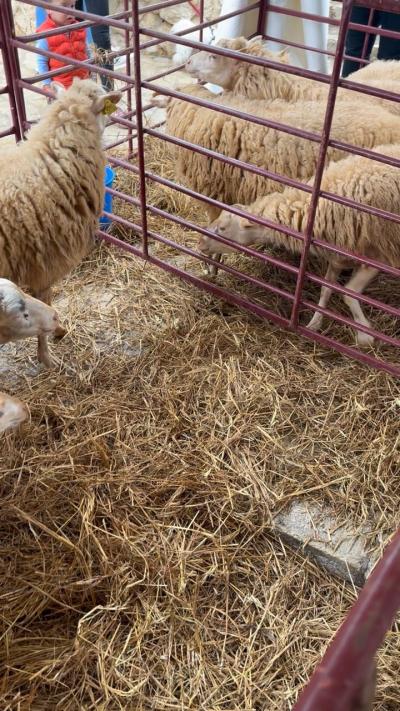
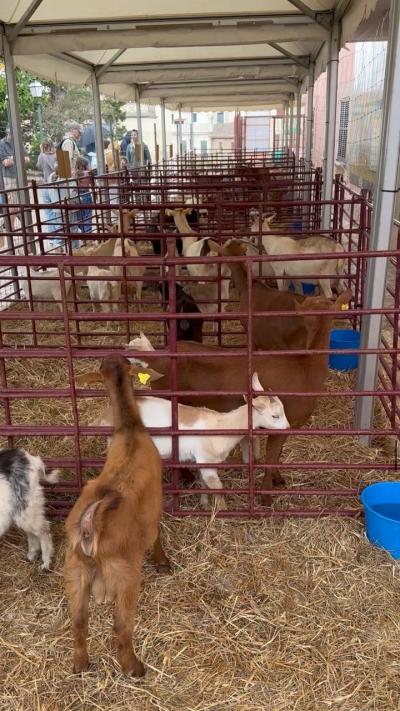
Many towns across the island are proud of their strong agricultural traditions, and local markets play a central role in supporting farmers. Weekly markets in places like Soller, Pollenca, and Alcudia provide farmers a vital venue to sell fresh produce directly to residents and visitors. This direct exchange helps sustain small-scale growers specializing in olives, almonds, figs, and the island's renowned sobrassada sausage. Cooperatives also exist in agricultural hubs such as Binissalem and Manacor, where farmers unite to process and distribute their wines, olive oils, and other products more effectively.
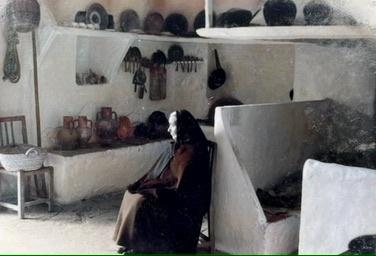
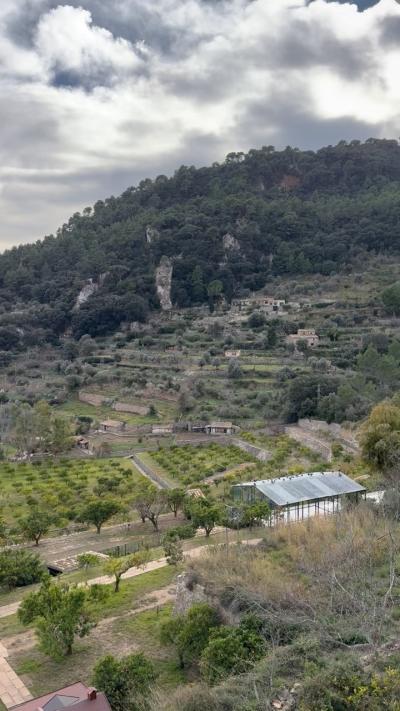
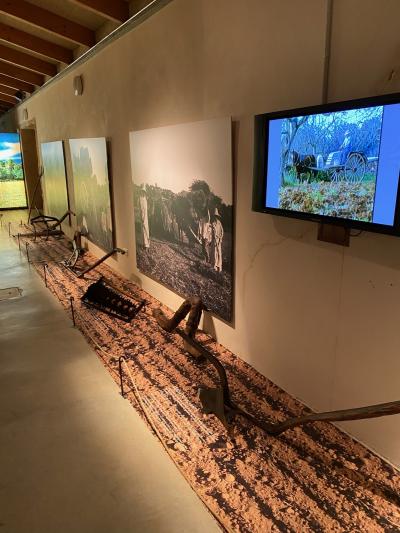
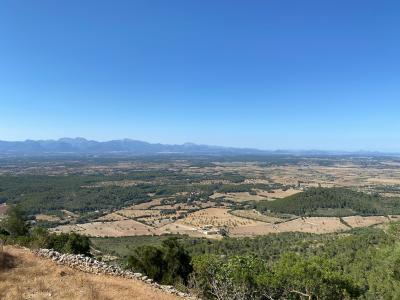
These local networks not only provide economic support but encourage sustainable farming techniques suited to Mallorca’s Mediterranean climate and hilly terrain, especially in regions near the Serra de Tramuntana. Workshops and community gatherings often take place, sharing knowledge about traditional methods as well as innovations that protect the land’s fertility. Many growers emphasize organic and low-impact practices, helping maintain the island’s natural beauty and biodiversity.
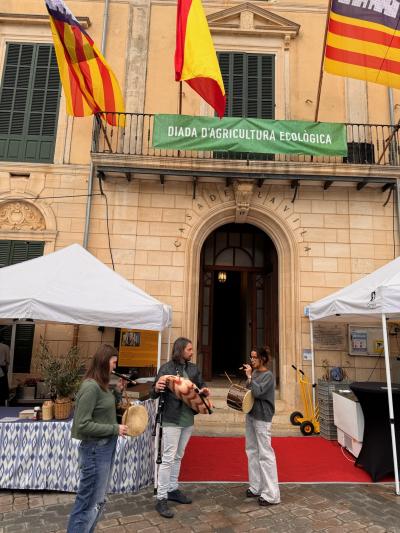
By sourcing from nearby fields, markets and cooperatives reduce the carbon footprint of transportation and strengthen the farm-to-table connection. Events linked to harvest seasons or local festivals, like the Festa de l’Ametler, draw attention to Mallorca’s rich agricultural heritage and build a sense of local pride. This synergy between producers, consumers, and communities encourages a food culture rooted in place, quality, and sustainability rather than mass commercialisation.
These local networks not only provide economic support but encourage sustainable farming techniques suited to Mallorca’s Mediterranean climate and hilly terrain, especially in regions near the Serra de Tramuntana. Workshops and community gatherings often take place, sharing knowledge about traditional methods as well as innovations that protect the land’s fertility. Many growers emphasize organic and low-impact practices, helping maintain the island’s natural beauty and biodiversity.
By sourcing from nearby fields, markets and cooperatives reduce the carbon footprint of transportation and strengthen the farm-to-table connection. Events linked to harvest seasons or local festivals, like the Festa de l’Ametler, draw attention to Mallorca’s rich agricultural heritage and build a sense of local pride. This synergy between producers, consumers, and communities encourages a food culture rooted in place, quality, and sustainability rather than mass commercialisation.
More Fotos