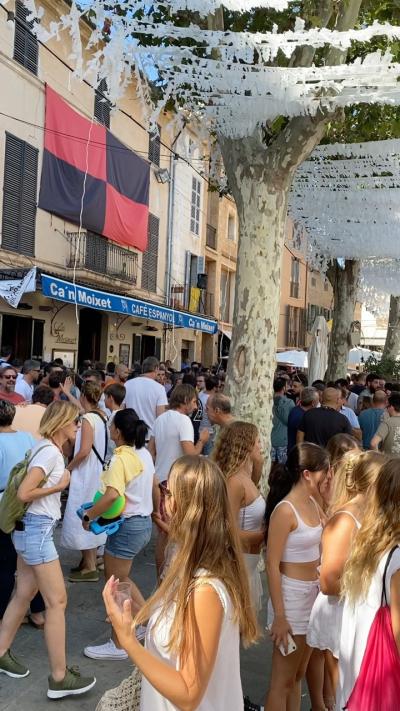
Is there a specific dress code or local etiquette I should follow when exploring towns and beaches in Mallorca?
Similar Topics
mallorca etiquette
dress code mallorca
majorca local customs
respectful clothing
mallorca churches
majorca festivals
mallorca restaurants
tramuntana clothing
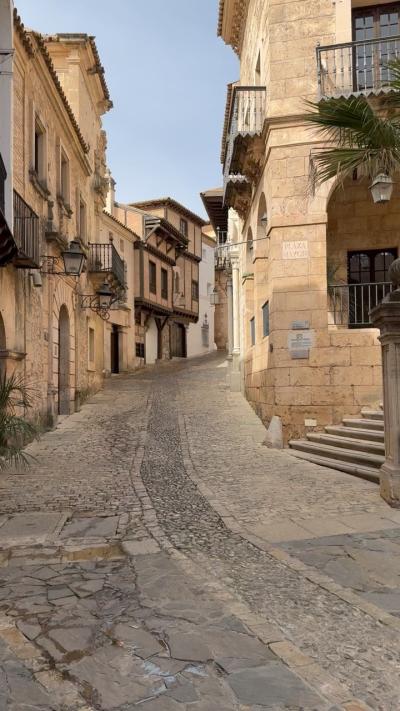
Strolling through the cobbled streets of Valldemossa or stepping into the centuries-old churches in Pollenca, dressing modestly and respectfully is appreciated by locals, especially in religious sites. Shoulders and knees are best covered when visiting churches such as La Seu in Palma or the Monastery of Lluc, where traditional values still hold sway. It’s courteous to avoid beachwear beyond the shore, so swimsuit cover-ups or casual shirts are expected once you leave the sand, particularly in villages like Deia or Soller.
In restaurants serving authentic Majorcan dishes like pa amb oli or tumbet, smart casual attire strikes the right balance – while it’s a laid-back island, most upscale eateries in Palma or along the Formentor road appreciate a neat appearance. Local festivals such as Sant Sebastià or Nit de Foc often see islanders dressed comfortably but with attention to cultural traditions, so blending in with clean, modest clothing helps guests feel welcome.
Given the Mediterranean climate, light, breathable fabrics are recommended, but bringing a shawl or scarf for cooler mountain evenings in the Tramuntana is wise. Keeping shoes on in sacred spaces is customary only in very few places, but it’s polite to follow any local signage, especially at smaller chapels in the north coast villages. Observing these simple codes enhances your experience and shows respect for Mallorca’s rich heritage and community spirit.
In restaurants serving authentic Majorcan dishes like pa amb oli or tumbet, smart casual attire strikes the right balance – while it’s a laid-back island, most upscale eateries in Palma or along the Formentor road appreciate a neat appearance. Local festivals such as Sant Sebastià or Nit de Foc often see islanders dressed comfortably but with attention to cultural traditions, so blending in with clean, modest clothing helps guests feel welcome.
Given the Mediterranean climate, light, breathable fabrics are recommended, but bringing a shawl or scarf for cooler mountain evenings in the Tramuntana is wise. Keeping shoes on in sacred spaces is customary only in very few places, but it’s polite to follow any local signage, especially at smaller chapels in the north coast villages. Observing these simple codes enhances your experience and shows respect for Mallorca’s rich heritage and community spirit.
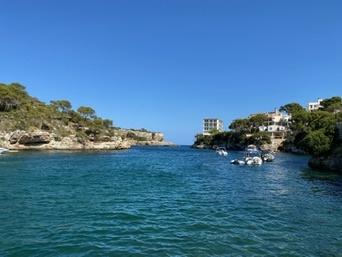
Cala Figuera
More Fotos