Are there any dress codes or expected behaviors when visiting religious sites or traditional towns in Mallorca?
Similar Topics
mallorca etiquette
dress code religious
valldemossa church
local customs mallorca
sant sebastia festival
cobblestone streets
sobrassada food
tumbet dish
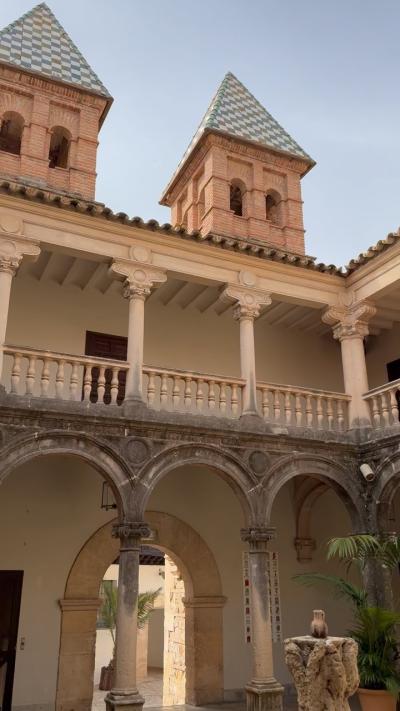
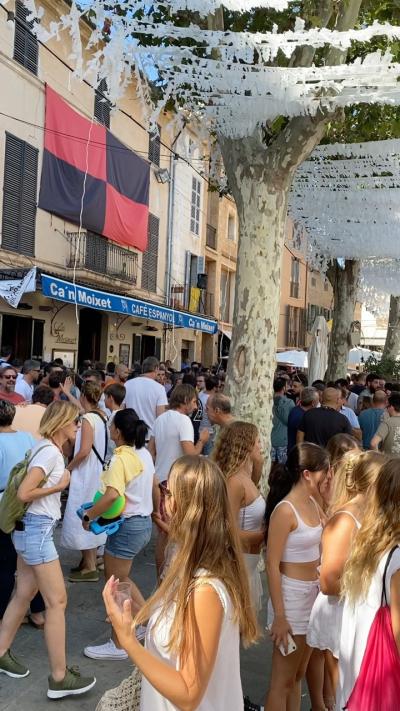
Many visitors arrive assuming that Mallorca’s laid-back beach vibe means there are no cultural expectations regarding dress or behavior, but the island’s towns and sacred places call for a bit more mindfulness. While you won’t encounter strict dress codes in most spots, modesty is appreciated, especially when entering historic churches in places like Valldemossa or the pilgrimage site of Lluc. Covering shoulders and knees is a respectful choice and mirrors the local tradition, particularly during festivals such as Sant Sebastià in Palma.
Footwear matters too; cobbled streets in Alcúdia and narrow alleys in Deià can be tricky, so sturdy yet comfortable shoes will keep you steady as you explore. Politeness is a cornerstone of island life—a warm “bon dia” or “bona vesprada” as you pass locals in markets or cafes is always welcomed. Before photographing interiors of churches or private homes, it’s thoughtful to ask for permission, respecting privacy and customs.
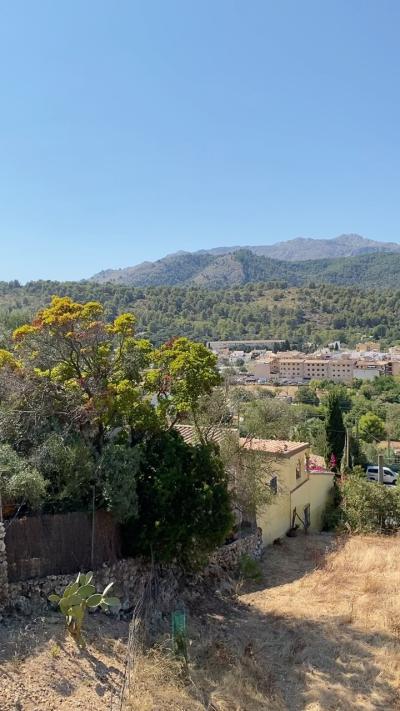
Engaging with Mallorcan culture can be rewarding: sharing a plate of tumbet or sampling sobrassada with locals during village celebrations creates deeper connections. Whether wandering the Serra de Tramuntana or relaxing along the shores of Cala Mondragó, approaching the island with cultural sensitivity enriches your experience and fosters goodwill that lasts beyond your trip.
Footwear matters too; cobbled streets in Alcúdia and narrow alleys in Deià can be tricky, so sturdy yet comfortable shoes will keep you steady as you explore. Politeness is a cornerstone of island life—a warm “bon dia” or “bona vesprada” as you pass locals in markets or cafes is always welcomed. Before photographing interiors of churches or private homes, it’s thoughtful to ask for permission, respecting privacy and customs.
Engaging with Mallorcan culture can be rewarding: sharing a plate of tumbet or sampling sobrassada with locals during village celebrations creates deeper connections. Whether wandering the Serra de Tramuntana or relaxing along the shores of Cala Mondragó, approaching the island with cultural sensitivity enriches your experience and fosters goodwill that lasts beyond your trip.

Cala Figuera
More Fotos




Related Questions
Related Question
What is the cultural and historical importance of Parc de la Mar near Palma?
Related Question
What stunning views can I expect from the easy hiking trails in Llevant Peninsula Natural Park?
Related Question
What are the main ingredients in the traditional Mallorcan dessert cremadillo?