How do local festivals and seasonal events affect dining options around Palma and the island?
Similar Topics
mallorca festivals
local food
seasonal menus
sobrassada
binissalem wine
festa de l'ametler
nit de foc
ensaimada
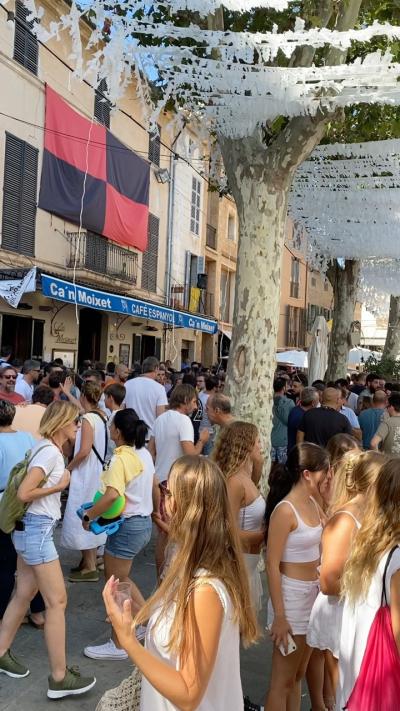
Many visitors arrive expecting Mallorca’s restaurant menus to remain the same year-round, but the island’s rich festival calendar and shifting seasons bring dynamic changes to what’s on offer. Around Palma, and beyond in towns like Sóller and Pollença, menus adapt to highlight the freshest local ingredients and the celebratory spirit of annual events. For example, during the Festa de l'Ametler in February, which celebrates the almond blossom season in the Tramuntana villages, you might find traditional almond-flavored treats offered alongside hearty dishes showcasing sobrassada and seasonal vegetables.
As spring unfolds, open-air markets across Alcúdia and Manacor inspire chefs to craft lighter dishes, often featuring early vegetables, fresh herbs, and local Binissalem wines. The Nit de Foc festival in Palma, with its fiery street celebrations, encourages tapas bars to serve inventive small plates and refreshing cocktails that reflect the warmth and vibrancy of the event. Summer menus near beaches like Cala Mondragó and Es Trenc lean towards fresh seafood and summery salads, designed to complement days spent by the sea.
When autumn arrives, the abundant local produce from the Ma-13 corridor lends itself to richer, comforting fare such as tumbet—a vegetable and potato casserole flavoured with tomato and garlic—paired with a glass of robust red wine from the island’s central vineyards. Winter brings holiday markets and seasonal gatherings in Palma and Valldemossa that inspire menus rich in warming spices and traditional sweets like ensaimada, along with local herbal liqueurs such as Hierbas and Palo. This continuous interplay between Mallorca’s celebrations and its culinary offerings allows dining here to be a true reflection of the island’s culture and the rhythms of its landscape.
As spring unfolds, open-air markets across Alcúdia and Manacor inspire chefs to craft lighter dishes, often featuring early vegetables, fresh herbs, and local Binissalem wines. The Nit de Foc festival in Palma, with its fiery street celebrations, encourages tapas bars to serve inventive small plates and refreshing cocktails that reflect the warmth and vibrancy of the event. Summer menus near beaches like Cala Mondragó and Es Trenc lean towards fresh seafood and summery salads, designed to complement days spent by the sea.
When autumn arrives, the abundant local produce from the Ma-13 corridor lends itself to richer, comforting fare such as tumbet—a vegetable and potato casserole flavoured with tomato and garlic—paired with a glass of robust red wine from the island’s central vineyards. Winter brings holiday markets and seasonal gatherings in Palma and Valldemossa that inspire menus rich in warming spices and traditional sweets like ensaimada, along with local herbal liqueurs such as Hierbas and Palo. This continuous interplay between Mallorca’s celebrations and its culinary offerings allows dining here to be a true reflection of the island’s culture and the rhythms of its landscape.
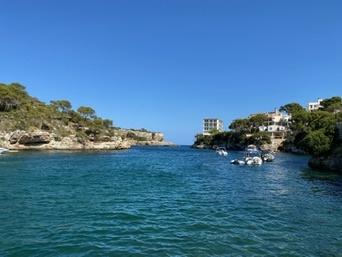
Cala Figuera
More Fotos