What are the differences in snorkeling conditions between the north and south coasts of Mallorca?
Similar Topics
snorkeling mallorca
north coast snorkeling
south coast snorkeling
formentor snorkeling
es trenc snorkeling
calo des moro
mallorca marine life
posidonia seagrass
In recent years, the north and south coasts of Mallorca have gained quite different reputations among snorkelers, reflecting varied underwater landscapes and sea conditions. Along the north coast, especially near Formentor and Pollenca Bay, the waters are often calmer and clearer, making it an excellent area for beginners or those seeking a relaxed snorkeling experience. The seabed here tends to be rocky with patches of Posidonia seagrass, providing habitat for colorful fish species and occasional octopuses. The sheltered coves around Cala Murta and Cala Figuera offer tranquil settings where visibility is usually good and currents mild.
Down south, snorkeling around spots like Es Trenc or Cala Mondragó offers a distinctive adventure. The south shore’s crystal-clear turquoise waters contrast with sandy bottoms interspersed with rocky reefs. Conditions can be more variable, with stronger wind and wave action at times, especially in winter months, which attract more experienced snorkelers looking for vibrant marine life and dramatic underwater topography. Exploring near Cala Llombards and the surrounding coves reveals fascinating rock formations and richer biodiversity, though swimmers must always be mindful of weather and the swell.
Whether you choose the serenity of the sheltered north coast bays or the dynamic southern coves, the island’s clear Mediterranean waters promise memorable snorkeling. Local dive shops and TIB bus routes make reaching either area accessible, and guided tours especially in the south can enhance safety and appreciation of Mallorca’s underwater world. Sampling local flavors such as sobrassada after a morning swim adds to the full sensory experience here, blending land and sea in true island style.
Down south, snorkeling around spots like Es Trenc or Cala Mondragó offers a distinctive adventure. The south shore’s crystal-clear turquoise waters contrast with sandy bottoms interspersed with rocky reefs. Conditions can be more variable, with stronger wind and wave action at times, especially in winter months, which attract more experienced snorkelers looking for vibrant marine life and dramatic underwater topography. Exploring near Cala Llombards and the surrounding coves reveals fascinating rock formations and richer biodiversity, though swimmers must always be mindful of weather and the swell.
Whether you choose the serenity of the sheltered north coast bays or the dynamic southern coves, the island’s clear Mediterranean waters promise memorable snorkeling. Local dive shops and TIB bus routes make reaching either area accessible, and guided tours especially in the south can enhance safety and appreciation of Mallorca’s underwater world. Sampling local flavors such as sobrassada after a morning swim adds to the full sensory experience here, blending land and sea in true island style.
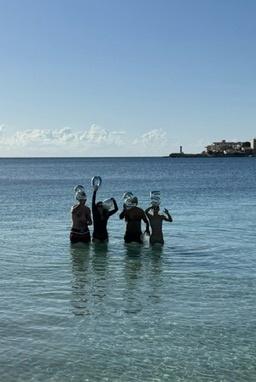
Colònia de Sant Jordi
More Fotos