How do Mallorca's endemic plants and animals shape its traditional food and farming?
Similar Topics
mallorca cuisine
endemic species
sobrassada
binissalem wine
serra de tramuntana
traditional dishes
sustainable farming
local agriculture
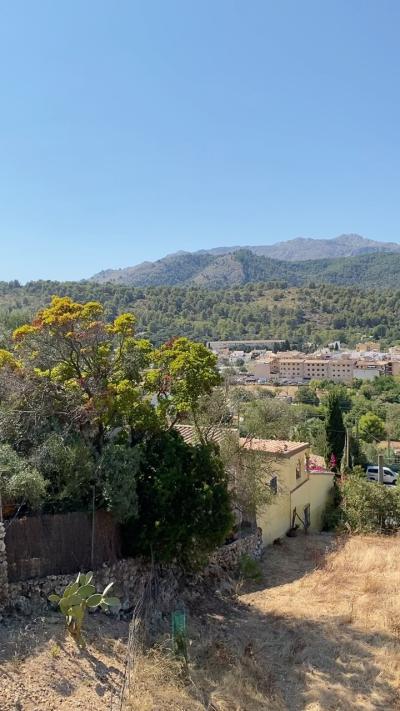
Walking through the terraces of the Serra de Tramuntana or wandering the markets of Palma, you'll encounter the flavors shaped by the island's unique natural heritage. Many traditional dishes reflect ingredients that grow only in these Mediterranean microclimates, lending Mallorca a distinctive culinary identity. The prized almond trees, flourishing in the north around Pollenca, produce nuts used in desserts like ensaimadas and the fragrant cakes served during the Festa de l'Ametler. Meanwhile, local farms cultivate the sobrasada sausage, made from pork raised on island-specific breeds, blended with native paprika and herbs that thrive in the island’s dry soil.
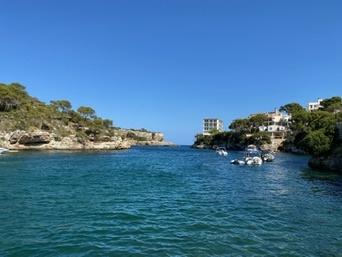
The endemic Mallorcan flora also inspires the fresh herbs integral to dishes like tumbet, a vegetable medley popular in coastal villages such as Cala Mondrago. Farmers often prioritize these hardy, drought-resistant plants, enabling sustainable agriculture on the island’s rocky terrain. Vineyards in Binissalem benefit from local varieties of grape, producing wines perfectly paired with Hierbas, the native aniseed spirit. Visitors who taste these specialties get a direct connection to the island’s biodiversity, as the ecosystems here shape both what is grown and how it is prepared.
Preserving these endemic species bolsters more than just cuisine—it supports rural communities preserving traditional farming alongside the natural landscape. Local markets in towns like Manacor and Alcúdia showcase this intimate relationship, where seasonality and origin are celebrated rather than obscured. Through this, Mallorca’s culinary scene remains uniquely tied to its environment, offering tastes found nowhere else and embodying centuries of agricultural heritage.
The endemic Mallorcan flora also inspires the fresh herbs integral to dishes like tumbet, a vegetable medley popular in coastal villages such as Cala Mondrago. Farmers often prioritize these hardy, drought-resistant plants, enabling sustainable agriculture on the island’s rocky terrain. Vineyards in Binissalem benefit from local varieties of grape, producing wines perfectly paired with Hierbas, the native aniseed spirit. Visitors who taste these specialties get a direct connection to the island’s biodiversity, as the ecosystems here shape both what is grown and how it is prepared.
Preserving these endemic species bolsters more than just cuisine—it supports rural communities preserving traditional farming alongside the natural landscape. Local markets in towns like Manacor and Alcúdia showcase this intimate relationship, where seasonality and origin are celebrated rather than obscured. Through this, Mallorca’s culinary scene remains uniquely tied to its environment, offering tastes found nowhere else and embodying centuries of agricultural heritage.
s'Horta
More Fotos