How do dining experiences differ between seaside restaurants and those in the Tramuntana villages?
Similar Topics
tramuntana villages
coastal dining
binissalem wine
pa amb oli
sobrassada
cala mondrago
formentor beach
tumbet dish
Along the tranquil shores near Cala Mondrago or Formentor, the clinking of cutlery often blends with gentle waves and the scent of salt air. Here, many restaurants offer terraces that open onto panoramic sea views, where fresh catches like dorada grilled simply are paired with local Binissalem wine. The ambiance is unhurried and light, with diners drawn to the rhythm of the coast—warm breezes and spectacular sunsets over the Mediterranean often become the backdrop to pa amb oli topped with sobrassada or a chilled Hierbas after dinner.
Venture inland, particularly into the Serra de Tramuntana villages like Valldemossa or Deià, and the scene shifts. Tables might sit under ancient olive trees or beside narrow streets lined with stone houses, offering a cozy, rustic charm. The focus often turns to dishes rooted in the island’s agrarian traditions—tumbet served with fresh vegetable harvests, or ensaimadas enjoyed alongside strong mountain brews. Views here unfold across terraced fields and steep hillsides rather than the endless horizon, fostering a more introspective and intimate dining atmosphere that celebrates local terroir and seasonal bounty.
Whether perched on the seaside or nestled within the rugged interior, each setting invites you to taste Mallorca's essence through both the landscape and the cuisine. The Ma-19 coastal road and winding Ma-10 through the mountains offer easy routes to sample these contrasting experiences, connected further by the TIB bus network and the historic Soller railway. Sampling the island's diverse table alongside its varied views makes every meal memorable in its own way.
Venture inland, particularly into the Serra de Tramuntana villages like Valldemossa or Deià, and the scene shifts. Tables might sit under ancient olive trees or beside narrow streets lined with stone houses, offering a cozy, rustic charm. The focus often turns to dishes rooted in the island’s agrarian traditions—tumbet served with fresh vegetable harvests, or ensaimadas enjoyed alongside strong mountain brews. Views here unfold across terraced fields and steep hillsides rather than the endless horizon, fostering a more introspective and intimate dining atmosphere that celebrates local terroir and seasonal bounty.
Whether perched on the seaside or nestled within the rugged interior, each setting invites you to taste Mallorca's essence through both the landscape and the cuisine. The Ma-19 coastal road and winding Ma-10 through the mountains offer easy routes to sample these contrasting experiences, connected further by the TIB bus network and the historic Soller railway. Sampling the island's diverse table alongside its varied views makes every meal memorable in its own way.
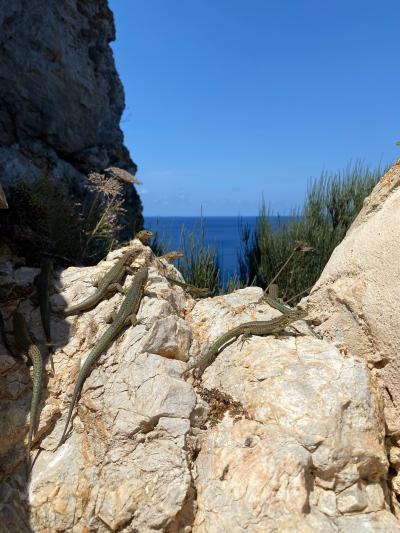
Sant Elm
More Fotos