What are some examples of successful conservation efforts in Mallorca?
Similar Topics
Mallorca conservation
marine conservation Mallorca
Cabrera Archipelago National Park
native forests Mallorca
biodiversity Mallorca
sustainable tourism Mallorca
organic farming Mallorca
Mallorcan almond
ecological balance Mallorca
traditional agriculture Mallorca
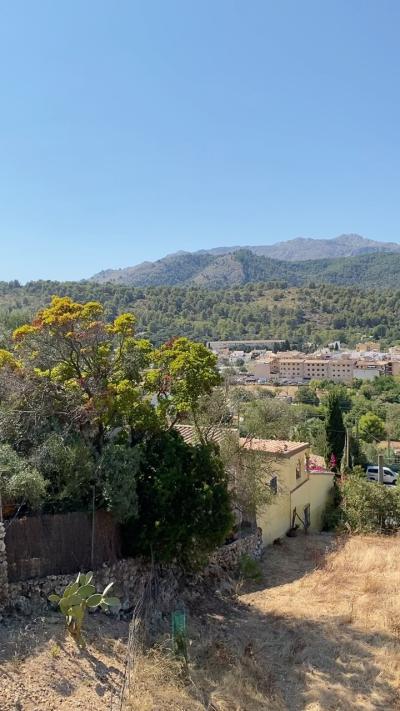
Mallorca, the largest of the Balearic Islands, has made significant strides in conservation efforts, particularly in protecting its unique ecosystems and biodiversity. One remarkable initiative has been the restoration of the island's native forests, such as the Mediterranean pine and holm oak forests. These areas play a crucial role in maintaining the island's ecological balance and serve as habitats for various species. Local organizations and government bodies have collaborated to replant trees and manage these forests sustainably, ensuring that they thrive for future generations.
Another successful effort has been in marine conservation, particularly in the protected areas around the Cabrera Archipelago National Park. This stunning marine reserve, established in 1991, is home to diverse marine life, including endangered species like the monk seal and various types of dolphins. The park's regulations restrict fishing and boating activities, allowing ecosystems to recover and flourish. Research programs conducted by marine biologists have helped monitor the health of these waters, leading to better conservation strategies and increased public awareness about the importance of marine biodiversity.
Additionally, the preservation of traditional agricultural practices has contributed to conservation efforts in Mallorca. The island's rural landscapes, characterized by terraced fields and ancient stone walls, not only support local farming but also provide habitats for native flora and fauna. Initiatives promoting organic farming and the cultivation of indigenous crops, such as the famous Mallorcan almond, have fostered a deeper appreciation for sustainable practices among locals and visitors alike. These combined efforts reflect a growing commitment to balancing tourism with the conservation of Mallorca's natural and cultural heritage, ensuring that the island remains a vibrant and sustainable destination for years to come.
Another successful effort has been in marine conservation, particularly in the protected areas around the Cabrera Archipelago National Park. This stunning marine reserve, established in 1991, is home to diverse marine life, including endangered species like the monk seal and various types of dolphins. The park's regulations restrict fishing and boating activities, allowing ecosystems to recover and flourish. Research programs conducted by marine biologists have helped monitor the health of these waters, leading to better conservation strategies and increased public awareness about the importance of marine biodiversity.
Additionally, the preservation of traditional agricultural practices has contributed to conservation efforts in Mallorca. The island's rural landscapes, characterized by terraced fields and ancient stone walls, not only support local farming but also provide habitats for native flora and fauna. Initiatives promoting organic farming and the cultivation of indigenous crops, such as the famous Mallorcan almond, have fostered a deeper appreciation for sustainable practices among locals and visitors alike. These combined efforts reflect a growing commitment to balancing tourism with the conservation of Mallorca's natural and cultural heritage, ensuring that the island remains a vibrant and sustainable destination for years to come.

Cala Figuera
More Fotos