How did tapas become a key part of Mallorca's food culture?
Similar Topics
mallorca tapas
binissalem wine
sobrassada
pa amb oli
ensaimada
festa de l'ametler
nit de foc
cala llombards
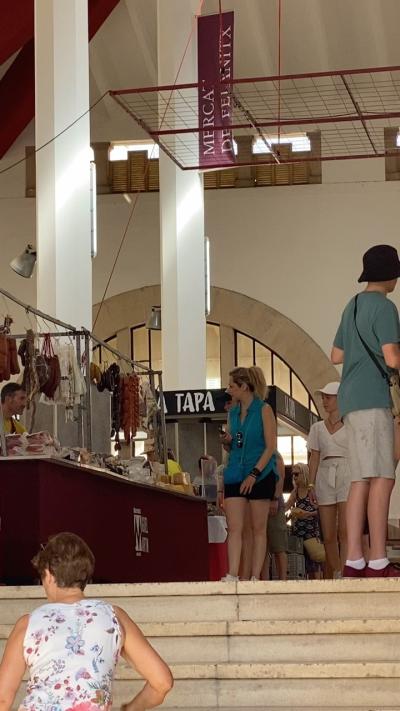
The scent of freshly baked ensaimadas mingling with the earthy aroma of ripe olives sets the scene for understanding Mallorca's tapas tradition. Originally, these small plates began as practical accompaniments to local wines like those from Binissalem or herbal liqueurs such as Hierbas, often served in the stone streets of Palma or the shaded terraces of Sóller. The term 'tapa,' meaning 'cover,' harks back to folk wisdom where slices of sobrassada or almonds were placed atop glasses to keep out dust while offering a quick, flavorful bite.
Gradually, what started as simple nibbles evolved with the island’s rich agricultural and coastal bounty. Tapas here highlight ingredients like fresh seafood from Alcúdia’s markets, locally grown tomatoes in tumbet, or the sharp bite of Pa amb Oli, a humble dish of rustic bread rubbed with tomato and drizzled with olive oil. This regional expression turns sharing tapas into an intimate experience, reflecting Mallorca’s relaxed lifestyle and strong community bonds.
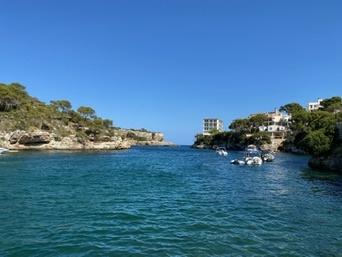
Events such as the Festa de l’Ametler in Valldemossa or the lively Nit de Foc in Palma further cement the social importance of tapas. Throughout the island, locals and visitors alike gather in small taverns or seaside coves like Cala Llombards, enjoying plates of grilled calamari or olives stuffed with local cheese. Today, tapas in Mallorca are not just about food; they’re a snapshot of the island's history, culture, and the unhurried joy of sharing meals by the Mediterranean.
Gradually, what started as simple nibbles evolved with the island’s rich agricultural and coastal bounty. Tapas here highlight ingredients like fresh seafood from Alcúdia’s markets, locally grown tomatoes in tumbet, or the sharp bite of Pa amb Oli, a humble dish of rustic bread rubbed with tomato and drizzled with olive oil. This regional expression turns sharing tapas into an intimate experience, reflecting Mallorca’s relaxed lifestyle and strong community bonds.
Events such as the Festa de l’Ametler in Valldemossa or the lively Nit de Foc in Palma further cement the social importance of tapas. Throughout the island, locals and visitors alike gather in small taverns or seaside coves like Cala Llombards, enjoying plates of grilled calamari or olives stuffed with local cheese. Today, tapas in Mallorca are not just about food; they’re a snapshot of the island's history, culture, and the unhurried joy of sharing meals by the Mediterranean.
More Fotos
Related Questions
Related Question
How do the ratings of hotels in Mallorca compare to those in other popular tourist destinations?
Related Question
What is the atmosphere like at Moli des Portitxol during dinner service?
Related Question
What family-friendly activities are available during local festivals on the island?