What kind of wildlife and marine life can I see on beaches around Mallorca?
Similar Topics
mallorca beaches
marine life
coastal birds
snorkeling mallorca
loggerhead turtles
dolphin watching
tramuntana wildlife
cala mondrago
Early mornings and evenings along Mallorca’s coastline often provide the best opportunities to glimpse its diverse wildlife. Around spots like Cala Mondrago and the tranquil coves near Formentor, seabirds such as gulls and elegant cormorants nest and forage along the shore. Birdwatchers might even catch sight of ospreys hunting over pine forests near the Tramuntana or spot herons wading quietly in shallow bays by Alcudia and Pollenca.
Beneath the clear turquoise waters, the shallow reefs and rocky formations around Cala Llombards and Es Trenc harbor colorful fish like damselfish and wrasse. Tide pools reveal starfish and sea urchins, while the seagrass beds support small octopuses and cuttlefish. Occasionally, you can see loggerhead turtles, a protected species that sometimes appear near the island’s southern beaches. The surrounding waters are also home to bottlenose dolphins, often spotted in the deeper blue expanses offshore, notably near Cap de Formentor.
Snorkeling along the sheltered bays of the island unveils a vibrant underwater world, with parrotfish nibbling on algae and shoals of smaller fish weaving through underwater caves. The Soller coastline and the Ma-10 cliff roads offer access to some quieter spots where marine life thrives in relative calm. For those interested in guided nature experiences, local operators provide boat trips focused on sustainable wildlife watching, enhancing understanding of the delicate balance between the island’s marine and birdlife. Whether wandering coastal paths or diving into the crystalline sea, the island’s beaches offer plenty to fascinate nature lovers.
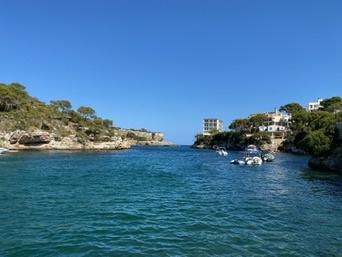
Cala Figuera
More Fotos
Related Questions
Related Question
What is the cost of renting a kayak or paddleboard in Mallorca?
Related Question
What amenities should I look for in a hotel to get the best value during my trip to Mallorca?
Related Question
How can I effectively compare hotel reviews from direct bookings and online platforms when planning a trip to Mallorca?