How should I approach bargaining when shopping at local markets in Mallorca?
Similar Topics
mallorca markets
bargaining tips
local shopping
pollenca market
soller market
sobrassada
binissalem wine
market etiquette
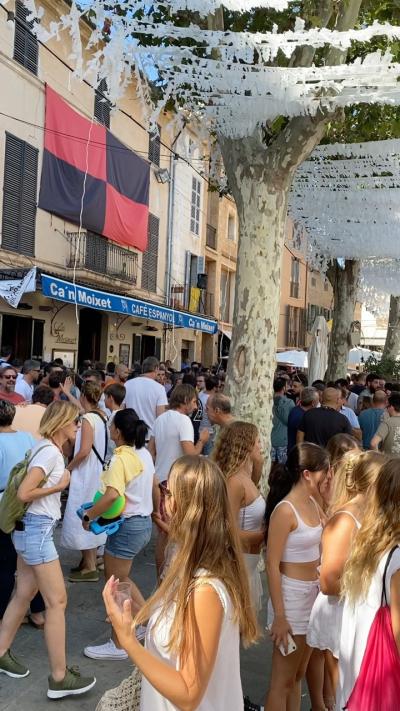
Early morning markets in towns like Soller, Pollenca, and Alcudia set the perfect scene for a relaxed shopping stroll, offering everything from fresh produce to artisan crafts. Engaging with vendors here is less about hard bargaining and more about friendly exchange. A warm greeting in Catalan or Spanish often breaks the ice better than a sharp haggle. While prices are generally fixed at larger established markets, smaller stalls, especially those selling local goods such as handmade ceramics or sobrassada, may be open to gentle negotiation.
Take your time browsing, comparing different stalls along the Ma-19 market routes or in Palma’s Mercat de l’Olivar. Vendors appreciate genuine interest in their products, and expressing enthusiasm for something like an ensaimada or a bottle of Binissalem wine can lead to a more flexible price. It’s also worthwhile to linger towards closing time, particularly in seaside villages like Cala d’Or, when sellers might be keen to shift leftover stock. Always approach bargaining with politeness—this is a community experience rooted in local tradition rather than aggressive negotiation.
Remember, the joy of these markets lies in soaking up the island’s vibrant atmosphere, savoring the smells of fresh herbs and baked treats, and chatting about the day’s catch or the recent Festa de l’Ametler. Sometimes the best souvenir is a simple conversation accompanied by a respectful price agreement, rather than the lowest possible cost. Whether you’re wandering beneath the Tramuntana line or exploring Palma’s old town, patience and good humor go a long way in making your market day memorable.
Take your time browsing, comparing different stalls along the Ma-19 market routes or in Palma’s Mercat de l’Olivar. Vendors appreciate genuine interest in their products, and expressing enthusiasm for something like an ensaimada or a bottle of Binissalem wine can lead to a more flexible price. It’s also worthwhile to linger towards closing time, particularly in seaside villages like Cala d’Or, when sellers might be keen to shift leftover stock. Always approach bargaining with politeness—this is a community experience rooted in local tradition rather than aggressive negotiation.
Remember, the joy of these markets lies in soaking up the island’s vibrant atmosphere, savoring the smells of fresh herbs and baked treats, and chatting about the day’s catch or the recent Festa de l’Ametler. Sometimes the best souvenir is a simple conversation accompanied by a respectful price agreement, rather than the lowest possible cost. Whether you’re wandering beneath the Tramuntana line or exploring Palma’s old town, patience and good humor go a long way in making your market day memorable.

Cala Figuera
More Fotos