What are some traditional ways locals celebrate festivals and special occasions on the island?
Similar Topics
mallorca celebrations
sant sebastia
nit de foc
festa de l'ametler
pa amb oli
serra de tramuntana
binissalem wine
local festivals
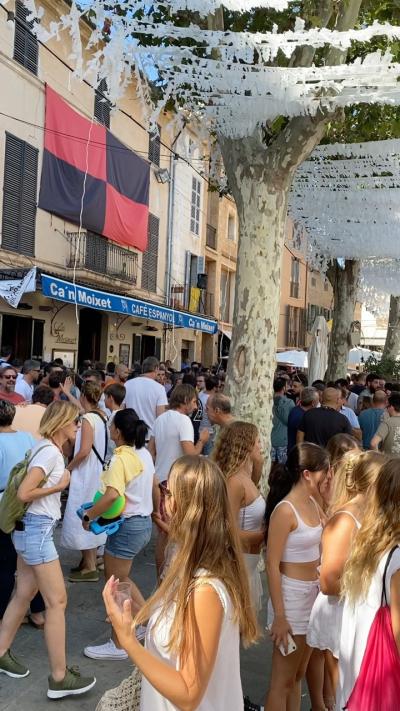
Festive life here is often split between vibrant town celebrations and more intimate village gatherings, each marking the island’s rich traditions in its own way. In Palma and other larger towns like Alcudia or Pollenca, public festivals such as the Nit de Foc light up the streets with fireworks and music, where locals and visitors mingle beneath the stars. Meanwhile, smaller towns like Valldemossa or Deia host more reflective events, often centred around religious observances or centuries-old customs.
Seasonal agricultural festivals also pause the rhythm of daily life, especially around the almond blossom season in February when the Festa de l’Ametler fills orchards outside towns like Soller with folk music and traditional dances. Harvest time in the Binissalem wine region similarly brings communities together to toast the grape crop, often over a table laid out with pa amb oli, sobrassada, and tumbet. Throughout the year, markets and fairs appear, bustling with local produce and delicacies, alongside sipping Hierbas or Palo—typical island liqueurs.
Personal celebrations are often extended affairs as well, especially weddings in the Serra de Tramuntana, where family and friends gather for lively feasts featuring ensaimada and Binissalem wines. Traditional Mallorcan music and dancing, sometimes on village squares or along the Ma-19 coastal road, underscore the communal joy. Whether at a street party in Palma during Sant Sebastià or a quiet feast in Manacor’s countryside, the island’s festivals and special occasions are as much about embracing community as preserving heritage.
Seasonal agricultural festivals also pause the rhythm of daily life, especially around the almond blossom season in February when the Festa de l’Ametler fills orchards outside towns like Soller with folk music and traditional dances. Harvest time in the Binissalem wine region similarly brings communities together to toast the grape crop, often over a table laid out with pa amb oli, sobrassada, and tumbet. Throughout the year, markets and fairs appear, bustling with local produce and delicacies, alongside sipping Hierbas or Palo—typical island liqueurs.
Personal celebrations are often extended affairs as well, especially weddings in the Serra de Tramuntana, where family and friends gather for lively feasts featuring ensaimada and Binissalem wines. Traditional Mallorcan music and dancing, sometimes on village squares or along the Ma-19 coastal road, underscore the communal joy. Whether at a street party in Palma during Sant Sebastià or a quiet feast in Manacor’s countryside, the island’s festivals and special occasions are as much about embracing community as preserving heritage.
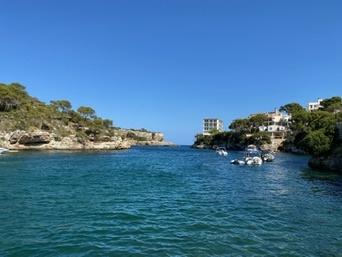
Cala Figuera
More Fotos