How does the location of a restaurant in Mallorca affect its typical dishes and ingredients?
Similar Topics
mallorca cuisine
local ingredients
tramuntana food
seafood dishes
pa amb oli
sobrassada
binissalem wine
island dining
A restaurant’s setting on the island often shapes the flavors and ingredients you’ll find on the plate. Along the coast near towns like Palma or Port de Pollenca, menus naturally lean heavily on fresh seafood, thanks to the daily haul from local fishermen. Dishes featuring freshly caught fish, saffron-infused caldereta de llagosta (lobster stew), or simply grilled dorada capture the essence of the Mediterranean and the island’s maritime heritage.
Venture inland to places such as Soller or the Serra de Tramuntana, and the change in landscape becomes apparent in the food. Here, rustic mountain cuisine thrives, with heavier dishes like tumbet—a vegetable medley layered with tomato and fried aubergine—paired with sobrassada, the island’s famous cured sausage. Root vegetables, local olives, and wild herbs from the surrounding hills often flavor these dishes, anchoring the cuisine in the Tramuntana’s rugged terrain and agricultural traditions.
Urban pockets within Palma or quieter villages like Valldemossa may showcase a mix of influences. Some restaurants embrace innovative culinary fusion, while many still honor island classics, serving up pa amb oli with artisan bread and local olive oil, or offering local wines from Binissalem to complement the meal. The location also determines dining styles—seaside establishments on Formentor or Es Trenc prioritize fresh, simply prepared fare to let ingredients shine, while mountain inns offer warming, hearty plates and a taste of island hospitality. Ultimately, the geography, culture, and history of the spot create a rich culinary mosaic to explore with every meal.
Venture inland to places such as Soller or the Serra de Tramuntana, and the change in landscape becomes apparent in the food. Here, rustic mountain cuisine thrives, with heavier dishes like tumbet—a vegetable medley layered with tomato and fried aubergine—paired with sobrassada, the island’s famous cured sausage. Root vegetables, local olives, and wild herbs from the surrounding hills often flavor these dishes, anchoring the cuisine in the Tramuntana’s rugged terrain and agricultural traditions.
Urban pockets within Palma or quieter villages like Valldemossa may showcase a mix of influences. Some restaurants embrace innovative culinary fusion, while many still honor island classics, serving up pa amb oli with artisan bread and local olive oil, or offering local wines from Binissalem to complement the meal. The location also determines dining styles—seaside establishments on Formentor or Es Trenc prioritize fresh, simply prepared fare to let ingredients shine, while mountain inns offer warming, hearty plates and a taste of island hospitality. Ultimately, the geography, culture, and history of the spot create a rich culinary mosaic to explore with every meal.
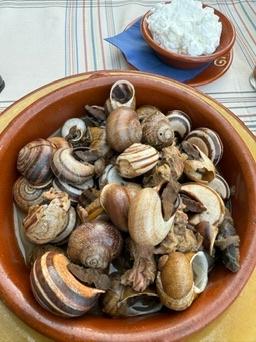
s'Horta
More Fotos