How did the Arab rule influence the agriculture of Mallorca?
Similar Topics
Arab rule Mallorca
agriculture Mallorca
irrigation techniques
safareigs Mallorca
citrus fruits cultivation
almonds Mallorca
spices introduction
crop rotation practices
Mallorca farming heritage
Mallorca travel
The Arab rule, which lasted from the 10th to the 13th centuries, had a profound impact on the agriculture of Mallorca, transforming the island into a fertile and productive landscape. The Arabs introduced advanced irrigation techniques that allowed for more efficient use of the island's limited water resources. They constructed a network of canals and irrigation systems, known as "safareigs," which enabled the cultivation of previously arid land. This innovation not only enhanced the agricultural output but also facilitated the growth of crops that were previously unsuitable for the region.
Under Arab influence, Mallorca saw the introduction of several new crops that became staples of the island’s agricultural identity. The cultivation of citrus fruits, such as oranges and lemons, flourished during this period, as well as the introduction of almonds and various spices. These crops not only enriched the local diet but also established export opportunities that boosted the island’s economy. The Arabs also emphasized the importance of crop rotation and sustainable farming practices, which contributed to the long-term viability of agriculture on the island.
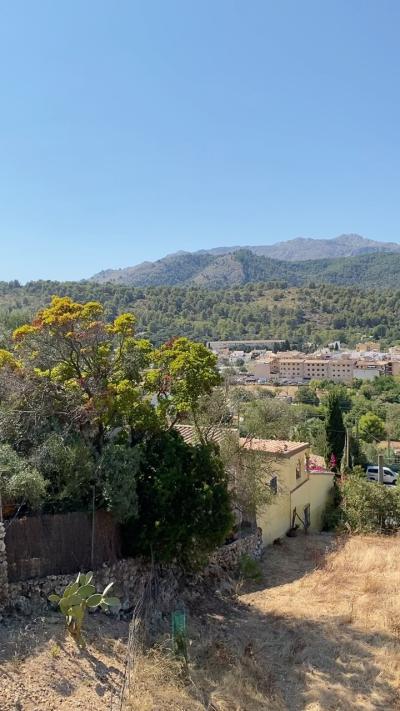
The legacy of Arab agricultural practices can still be seen today in the lush landscapes and terraced fields that characterize Mallorca. Many of the island's traditional farming techniques and crop varieties can be traced back to this period, showcasing the enduring influence of Arab culture on Mallorca's agricultural heritage. Visitors to the island can explore the scenic countryside, where the remnants of ancient irrigation systems and terraced fields serve as a reminder of this rich history, inviting travelers to appreciate the deep connection between the island’s culture and its agricultural roots.
Under Arab influence, Mallorca saw the introduction of several new crops that became staples of the island’s agricultural identity. The cultivation of citrus fruits, such as oranges and lemons, flourished during this period, as well as the introduction of almonds and various spices. These crops not only enriched the local diet but also established export opportunities that boosted the island’s economy. The Arabs also emphasized the importance of crop rotation and sustainable farming practices, which contributed to the long-term viability of agriculture on the island.
The legacy of Arab agricultural practices can still be seen today in the lush landscapes and terraced fields that characterize Mallorca. Many of the island's traditional farming techniques and crop varieties can be traced back to this period, showcasing the enduring influence of Arab culture on Mallorca's agricultural heritage. Visitors to the island can explore the scenic countryside, where the remnants of ancient irrigation systems and terraced fields serve as a reminder of this rich history, inviting travelers to appreciate the deep connection between the island’s culture and its agricultural roots.

Cala Figuera
More Fotos