When is the best shoulder season to visit Mallorca for fewer crowds and better accommodation prices?
Similar Topics
shoulder season
mallorca accommodation
tramuntana hiking
es trenc beach
palma restaurants
ma-10 road
tib buses
festa de l'ametler
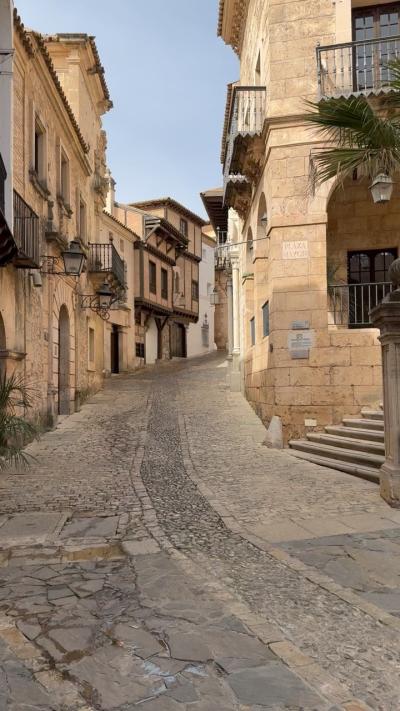
Late spring and early autumn form the most pleasant shoulder seasons to explore the island with fewer visitors and more attractive accommodation options. Around May and October, the warm Mediterranean days often linger, ideal for wandering Palma’s historic streets or driving the scenic Ma-10 road through the Tramuntana mountains without the intense summer heat or crowds. The beaches, like Es Trenc and Cala Mondrago, are far less crowded than in July or August, letting you enjoy crystal-clear waters in relative tranquility.
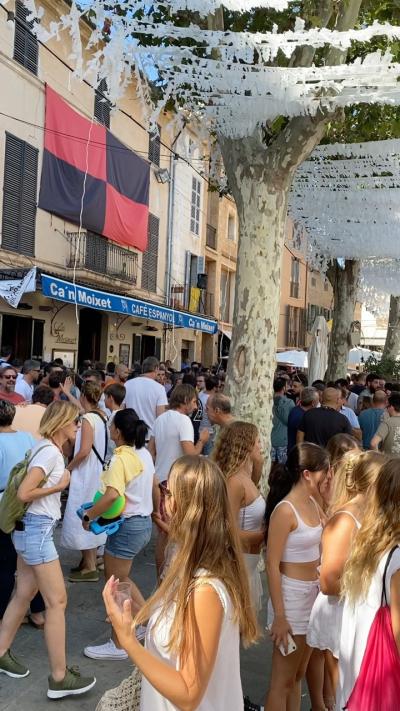
Hotels and rural fincas near towns such as Sóller or Pollensa usually lower their rates during these quieter months, making it easier to find good value lodging that in high season could be fully booked or pricier. Dining in local restaurants feels more relaxed, with menus showcasing dishes like pa amb oli and tumbet at a steadier pace. Plus, you’ll have a better chance to participate in traditional festivals such as the Festa de l’Ametler in February or Nit de Foc in June without the overwhelm of high-season tourists.
Public transport like the TIB buses and the historic Palma-Sóller train run smoothly year-round but are noticeably less crowded, allowing for comfortable island-hopping between cultural highlights and natural spots. Planning around these shoulder months also means easier access to popular hiking trails in the Serra de Tramuntana or discovering lesser-known coves along the northern coastline, all at a more leisurely pace.
Hotels and rural fincas near towns such as Sóller or Pollensa usually lower their rates during these quieter months, making it easier to find good value lodging that in high season could be fully booked or pricier. Dining in local restaurants feels more relaxed, with menus showcasing dishes like pa amb oli and tumbet at a steadier pace. Plus, you’ll have a better chance to participate in traditional festivals such as the Festa de l’Ametler in February or Nit de Foc in June without the overwhelm of high-season tourists.
Public transport like the TIB buses and the historic Palma-Sóller train run smoothly year-round but are noticeably less crowded, allowing for comfortable island-hopping between cultural highlights and natural spots. Planning around these shoulder months also means easier access to popular hiking trails in the Serra de Tramuntana or discovering lesser-known coves along the northern coastline, all at a more leisurely pace.
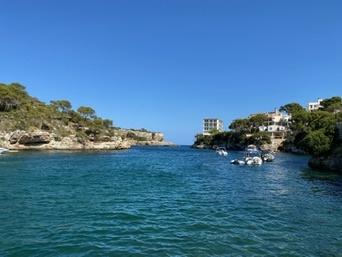
Cala Figuera
More Fotos