Have improvements in transport made it easier to reach Mallorca's festivals and hidden spots?
Similar Topics
mallorca transport
serra de tramuntana
local festivals
tib bus network
soller railway
palma metro
binissalem wine
mallorcan cuisine
Even on the winding Ma-10 through the Serra de Tramuntana, subtle signs of change are evident. Better bus routes like the expanded TIB network and the modernization of the Palma metro have opened doors to places once considered off the beaten path. Towns such as Valldemossa and Deia, famed for their cultural allure, now attract larger crowds during events like the Festa de l'Ametler, thanks to smoother access that invites visitors beyond Palma’s bustling center. Meanwhile, the historic Soller railway continues to charm travelers, its timetables more synchronized with other local transport, making day trips more seamless.
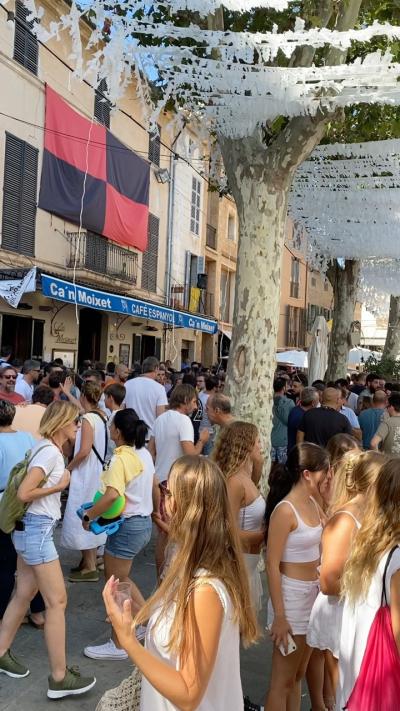
This improved connectivity has fueled attendance at traditional festivities such as Sant Sebastià in Palma and the fiery Nit de Foc in Pollenca. The easier it is to arrive, the more travelers linger to savor local delicacies like pa amb oli with Mallorcan sobrassada or sample the renowned Binissalem wines. Even the island’s secluded coves, including Cala Mondrago and Cala Llombards, feel the impact—more visitors arrive drawn not just by crystal-clear waters but by lively cultural experiences that enhance their stay.
Digital platforms have played a pivotal role, too, with localized apps and social media channels highlighting upcoming fairs and performances across the island. As a result, locals and tourists mingle more often at small museums, artisan markets, and traditional dance events, enriching the cultural fabric. Ultimately, enhanced transport links have woven a tighter connection between Mallorca’s cherished heritage and the guests eager to explore it, turning seasonal festivals and hidden gems into thriving hubs of exchange and celebration.
This improved connectivity has fueled attendance at traditional festivities such as Sant Sebastià in Palma and the fiery Nit de Foc in Pollenca. The easier it is to arrive, the more travelers linger to savor local delicacies like pa amb oli with Mallorcan sobrassada or sample the renowned Binissalem wines. Even the island’s secluded coves, including Cala Mondrago and Cala Llombards, feel the impact—more visitors arrive drawn not just by crystal-clear waters but by lively cultural experiences that enhance their stay.
Digital platforms have played a pivotal role, too, with localized apps and social media channels highlighting upcoming fairs and performances across the island. As a result, locals and tourists mingle more often at small museums, artisan markets, and traditional dance events, enriching the cultural fabric. Ultimately, enhanced transport links have woven a tighter connection between Mallorca’s cherished heritage and the guests eager to explore it, turning seasonal festivals and hidden gems into thriving hubs of exchange and celebration.

Cala Figuera
More Fotos