What is the local attitude towards using translation apps when tourists communicate on Mallorca?
Similar Topics
translation apps
mallorca locals
language barriers
palma communication
soller language
mallorqui phrases
tourist interactions
local culture
Catalan, Castilian Spanish, and Mallorquí dialects speak to Mallorca’s rich linguistic heritage, and locals often take pride in sharing their language. Visitors are usually warmly received when they make an effort to use basic greetings like "bon dia" or "gràcies," which helps foster friendly connections. Translation apps have become a common aid here, especially in popular towns such as Palma and Soller, where tourism thrives alongside daily local life. Many residents understand these tools make navigating menus, signs at the coves like Cala Mondrago, or casual exchanges far easier for travelers.
While practical, relying solely on apps can sometimes feel a little impersonal to Mallorcans who cherish verbal nuance and the warmth of face-to-face dialogue. In quieter villages like Valldemossa or Deia, where tourism is more seasonal, locals may appreciate a visitor’s attempt to speak simple phrases more than instant digital translation. Still, technology is generally welcomed, viewed as a bridge that can open doors to authentic experiences, like discussing the unique qualities of sobrassada or sampling local Binissalem wines. The overall sentiment leans toward patience and friendliness, especially when visitors show genuine respect for the island’s language and culture.
While practical, relying solely on apps can sometimes feel a little impersonal to Mallorcans who cherish verbal nuance and the warmth of face-to-face dialogue. In quieter villages like Valldemossa or Deia, where tourism is more seasonal, locals may appreciate a visitor’s attempt to speak simple phrases more than instant digital translation. Still, technology is generally welcomed, viewed as a bridge that can open doors to authentic experiences, like discussing the unique qualities of sobrassada or sampling local Binissalem wines. The overall sentiment leans toward patience and friendliness, especially when visitors show genuine respect for the island’s language and culture.
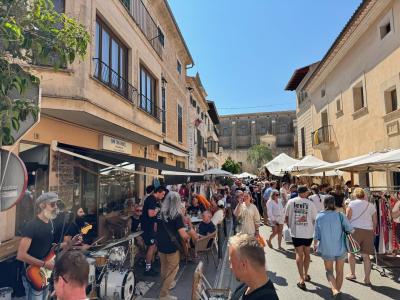
Santanyí
More Fotos