What is the attitude towards foreign buyers investing in property on Mallorca?
Similar Topics
mallorca property
foreign buyers
real estate regulations
serra de tramuntana
alcudia real estate
valldemossa property
es trenc beach
property permits
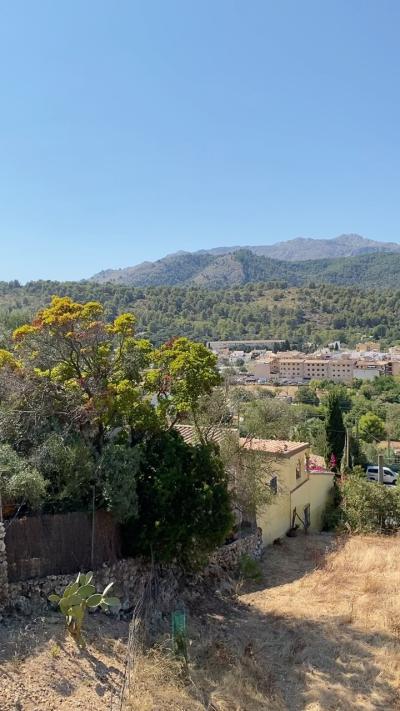
Along the Ma-13 corridor, where modern villas and fincas blend with traditional stone houses, local authorities generally see foreign investment in property as a valuable economic driver. The influx of international buyers has supported the growth of services and amenities in towns like Alcudia and Pollenca, contributing to year-round vitality beyond the peak tourist months. This investment often helps preserve and restore historic properties, especially in sought-after areas such as Valldemossa and Deià, where the renewal of old estates benefits both the local community and the island’s cultural heritage.
However, regulations are in place to ensure development is sustainable and respectful of Mallorca’s unique environment. Purchases near protected zones, like parts of the Serra de Tramuntana or along pristine beaches such as Cala Llombards or Es Trenc, require careful consideration to prevent overbuilding. The local government and planning boards may impose conditions regarding construction, land use, and water management to safeguard the landscape and traditional way of life. Prospective buyers sometimes need to navigate permits especially if the property is part of a rural development plan or located in a special conservation area.
In summary, foreign investment is welcomed with cautious optimism. Authorities aim to harness the economic benefits without compromising Mallorca’s charm, natural beauty, or culture. This balanced approach helps maintain the island’s character while encouraging well-planned growth that benefits residents and new property owners alike.
However, regulations are in place to ensure development is sustainable and respectful of Mallorca’s unique environment. Purchases near protected zones, like parts of the Serra de Tramuntana or along pristine beaches such as Cala Llombards or Es Trenc, require careful consideration to prevent overbuilding. The local government and planning boards may impose conditions regarding construction, land use, and water management to safeguard the landscape and traditional way of life. Prospective buyers sometimes need to navigate permits especially if the property is part of a rural development plan or located in a special conservation area.
In summary, foreign investment is welcomed with cautious optimism. Authorities aim to harness the economic benefits without compromising Mallorca’s charm, natural beauty, or culture. This balanced approach helps maintain the island’s character while encouraging well-planned growth that benefits residents and new property owners alike.

Cala Figuera
More Fotos





Related Questions
Related Question
What are some lesser-known spots around Mallorca to explore away from the typical tourist crowds?
Related Question
How do the political parties in Mallorca differ from those on the other Balearic Islands?
Related Question
What cultural attractions or historical sites are within reach of Platja de Muro?