What local customs and etiquette should I be aware of when visiting towns like Palma or Sóller?
Similar Topics
mallorca customs
palma etiquette
soller greetings
balearic dining
mallorca tipping
local festivals
mallorca beaches
mallorca dress code
Locals on the island tend to keep things relaxed yet courteous, and blending into everyday life here is mostly about adopting a few simple customs. When greeting people in Palma or smaller towns such as Sóller or Pollença, a friendly handshake or a light kiss on both cheeks is common among acquaintances, while a warm smile and a polite "bona dia" (good day) will always put you on the right foot with shopkeepers or restaurant staff. Observing the pace and mannerisms locals use goes a long way in making respectful connections.
Dining etiquette revolves around enjoying traditional dishes like pa amb oli or tumbet in a shared, leisurely manner—don't rush your meal or start before others are ready, especially in family-run places. When toasting with a glass of Binissalem wine or a shot of Hierbas, maintaining eye contact is a cherished sign of sincerity. It's also considered polite to finish the food on your plate, reflecting appreciation for the fresh island produce.
Dressing modestly is wise when visiting religious sites like the cathedral in Palma or small village churches in Valldemossa, where covered shoulders and knees show respect. On the beaches like Cala Mondragó or Formentor, swimwear is naturally acceptable, but avoid wearing it away from these leisure spots. Tipping is appreciated but not obligatory—leaving a small amount or rounding up the bill in cafés or taxis on the Ma-13 often suffices to express thanks.
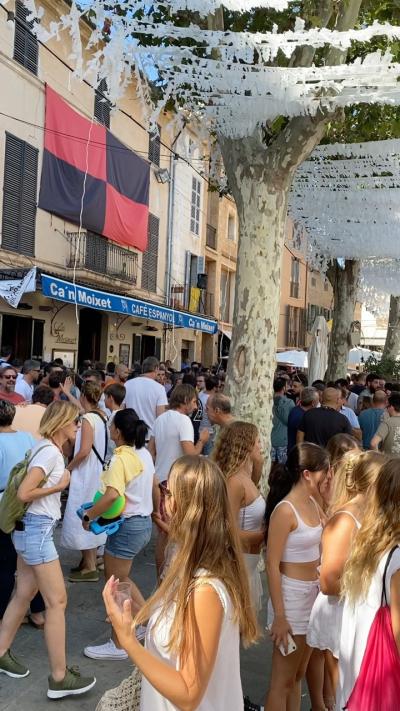
Above all, embracing the island’s unhurried lifestyle and showing a genuine interest in its traditions, from festivals like Festa de l’Ametler to local markets in Manacor, enriches every visit. These subtle gestures engage the hospitable spirit of the Balearic people and deepen your experience beyond the typical tourist path.
Dining etiquette revolves around enjoying traditional dishes like pa amb oli or tumbet in a shared, leisurely manner—don't rush your meal or start before others are ready, especially in family-run places. When toasting with a glass of Binissalem wine or a shot of Hierbas, maintaining eye contact is a cherished sign of sincerity. It's also considered polite to finish the food on your plate, reflecting appreciation for the fresh island produce.
Dressing modestly is wise when visiting religious sites like the cathedral in Palma or small village churches in Valldemossa, where covered shoulders and knees show respect. On the beaches like Cala Mondragó or Formentor, swimwear is naturally acceptable, but avoid wearing it away from these leisure spots. Tipping is appreciated but not obligatory—leaving a small amount or rounding up the bill in cafés or taxis on the Ma-13 often suffices to express thanks.
Above all, embracing the island’s unhurried lifestyle and showing a genuine interest in its traditions, from festivals like Festa de l’Ametler to local markets in Manacor, enriches every visit. These subtle gestures engage the hospitable spirit of the Balearic people and deepen your experience beyond the typical tourist path.

Cala Figuera
More Fotos