How does the local cuisine change with the seasons in Mallorca?
Similar Topics
Mallorca cuisine
seasonal dishes Mallorca
tumbet recipe
pa amb oli
ensaimada
frit mallorquí
sopes mallorquines
Mallorca food culture
local ingredients Mallorca
Mallorca culinary heritage
In Mallorca, the local cuisine beautifully reflects the rhythms of the seasons, showcasing the island's rich agricultural heritage and its connection to the land. As spring arrives, the markets brim with vibrant produce, including artichokes, asparagus, and a variety of fresh herbs. Dishes often incorporate these seasonal ingredients, resulting in lighter fare that celebrates the awakening of nature. One popular dish during this time is "tumbet," a layered vegetable dish featuring eggplant, potatoes, and red peppers, all drizzled with a rich tomato sauce. The arrival of fresh seafood also heralds the season, with local fish like dorada and merluza taking center stage in many coastal restaurants.
As summer sets in, the cuisine shifts to embrace the abundance of ripe fruits and vegetables. Tomatoes, peppers, and melons dominate the landscape, inspiring refreshing dishes such as "pa amb oli," which features crusty bread topped with ripe tomatoes, olive oil, and local cheeses or cured meats. The long, warm days invite outdoor dining, and you'll find many locals enjoying traditional "ensaimada," a spiral pastry often filled with pumpkin or cream, as a sweet treat during this season. The vibrant colors and flavors of summer truly reflect the island's agricultural bounty, making every meal a celebration of the season.
Autumn brings a wonderful transition, as the harvest season allows for heartier dishes to take center stage. This is the time for "frit mallorquí," a traditional dish made with lamb, potatoes, and seasonal vegetables, often flavored with aromatic herbs. The cooler temperatures also inspire the use of ingredients like chestnuts and almonds, which are featured in various desserts and savory items alike. Additionally, the grape harvest leads to the production of local wines, enhancing the dining experience with unique regional pairings.
Winter, while milder in Mallorca than in many other places, sees a focus on warming, comforting fare. This is when you'll find "sopes mallorquines," a hearty vegetable and bread soup that makes use of the island's winter produce. Local meats, such as pork and lamb, are often slow-cooked, resulting in rich flavors that are perfect for cozy gatherings. The winter months also celebrate traditional festive dishes, often enjoyed during local celebrations, which highlight the island's culinary heritage and community spirit. Each season in Mallorca offers a unique taste of the island, inviting visitors to savor the changing flavors throughout the year.
As summer sets in, the cuisine shifts to embrace the abundance of ripe fruits and vegetables. Tomatoes, peppers, and melons dominate the landscape, inspiring refreshing dishes such as "pa amb oli," which features crusty bread topped with ripe tomatoes, olive oil, and local cheeses or cured meats. The long, warm days invite outdoor dining, and you'll find many locals enjoying traditional "ensaimada," a spiral pastry often filled with pumpkin or cream, as a sweet treat during this season. The vibrant colors and flavors of summer truly reflect the island's agricultural bounty, making every meal a celebration of the season.
Autumn brings a wonderful transition, as the harvest season allows for heartier dishes to take center stage. This is the time for "frit mallorquí," a traditional dish made with lamb, potatoes, and seasonal vegetables, often flavored with aromatic herbs. The cooler temperatures also inspire the use of ingredients like chestnuts and almonds, which are featured in various desserts and savory items alike. Additionally, the grape harvest leads to the production of local wines, enhancing the dining experience with unique regional pairings.
Winter, while milder in Mallorca than in many other places, sees a focus on warming, comforting fare. This is when you'll find "sopes mallorquines," a hearty vegetable and bread soup that makes use of the island's winter produce. Local meats, such as pork and lamb, are often slow-cooked, resulting in rich flavors that are perfect for cozy gatherings. The winter months also celebrate traditional festive dishes, often enjoyed during local celebrations, which highlight the island's culinary heritage and community spirit. Each season in Mallorca offers a unique taste of the island, inviting visitors to savor the changing flavors throughout the year.
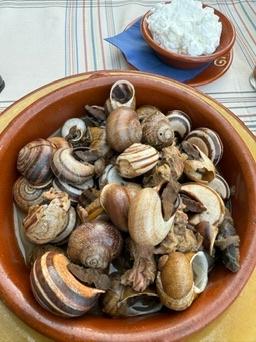
s'Horta
More Fotos





Related Questions
Related Question
Are there any cooking classes in Son Servera where I can learn to make Mallorquin dishes?
Related Question
Are there student or senior discounts available for entry to Mallorca’s museums and historic sites?
Related Question
How easy is it to navigate the streets of Palma with a wheelchair?