How do the beaches on Mallorca’s east coast differ from those on the west coast?
Similar Topics
mallorca beaches
east coast beach
west coast beach
serra de tramuntana
es trenc
calo mondrago
binissalem wine
sobrassada
The coves and beaches around Cala Mondrago and Cala Llombards on the east coast tend to be gentler and more sheltered, often featuring fine white sands and shallow waters ideal for families and casual swimmers. Here, pine forests and nature reserves often back the shorelines, creating peaceful and verdant settings perfect for relaxing days. In contrast, the west coast, particularly along the cliffs near Sóller and around the Serra de Tramuntana, presents a more rugged coastline with rocky beaches and dramatic cliffs plunging into the Mediterranean. The emerald waters here attract snorkelers and experienced swimmers drawn to the rich marine life and hidden grottoes that are harder to reach but uniquely beautiful.
East coast beaches like Es Trenc offer vast stretches of natural beach with a laid-back vibe, popular for sunbathers, while Formentor on the north coast blends sandy bays with pine-covered hills, often busier in high season thanks to its proximity to Port de Pollença. Transport links reflect these differences: regular TIB buses serve major east coast spots such as Cala Ratjada, whereas driving along the Ma-10 on the west winds between charming villages like Valldemossa and Deià, giving access to less accessible beaches. Culinary experiences also differ; after a day on the east coast, one might enjoy a pa amb oli or tumbet paired with a local Binissalem wine, while the west’s quieter coves offer a backdrop for sampling sobrasada or sipping a Hierbas in mountain villages.
Seasonality affects atmosphere too. East coast resorts bustle in summer, while the Tramuntana’s west side is best enjoyed in spring or autumn when the maquis blossoms and coastal paths are less crowded. Both coasts showcase contrasting but equally rewarding ways to experience the island’s seaside charms, from the family-friendly calm and historical villages of the east to the rugged beauty and tranquil hideaways dotting the west.
East coast beaches like Es Trenc offer vast stretches of natural beach with a laid-back vibe, popular for sunbathers, while Formentor on the north coast blends sandy bays with pine-covered hills, often busier in high season thanks to its proximity to Port de Pollença. Transport links reflect these differences: regular TIB buses serve major east coast spots such as Cala Ratjada, whereas driving along the Ma-10 on the west winds between charming villages like Valldemossa and Deià, giving access to less accessible beaches. Culinary experiences also differ; after a day on the east coast, one might enjoy a pa amb oli or tumbet paired with a local Binissalem wine, while the west’s quieter coves offer a backdrop for sampling sobrasada or sipping a Hierbas in mountain villages.
Seasonality affects atmosphere too. East coast resorts bustle in summer, while the Tramuntana’s west side is best enjoyed in spring or autumn when the maquis blossoms and coastal paths are less crowded. Both coasts showcase contrasting but equally rewarding ways to experience the island’s seaside charms, from the family-friendly calm and historical villages of the east to the rugged beauty and tranquil hideaways dotting the west.
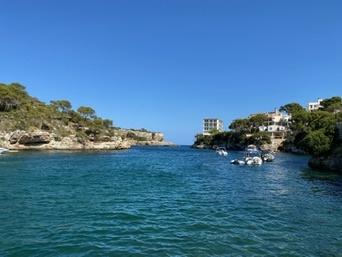
Cala Figuera
More Fotos

Related Questions
Related Question
When is the best time of day to explore Mallorca’s rugged landscapes by jeep?
Related Question
Is it necessary to book a table in advance at popular Mallorca restaurants, or can I just walk in?
Related Question
How can I find trustworthy guest reviews for accommodations in Palma or other Mallorca destinations?