How did Mallorca's economy change when Christian rule replaced Arab control?
Similar Topics
mallorca economy
arab rule
christian conquest
tramuntana agriculture
palma trade
binissalem wine
soller market
medieval mallorca
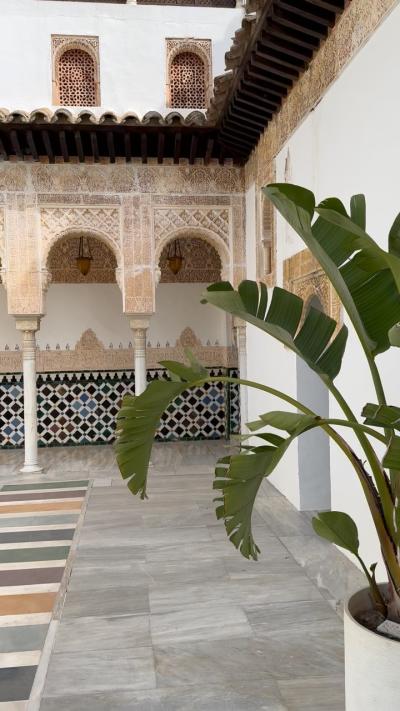
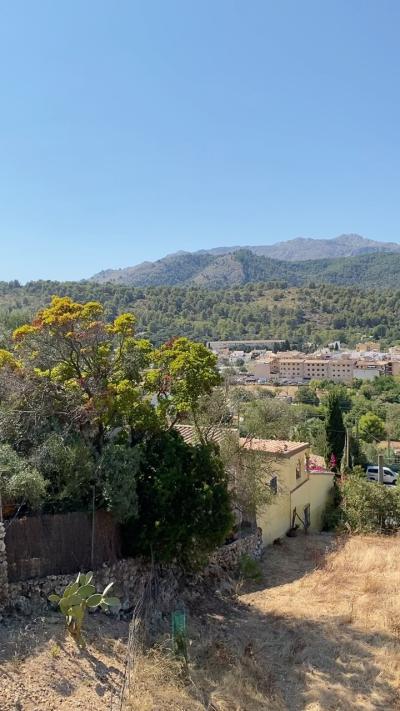
Control of the island shifted from Muslim to Christian hands in the 13th century, bringing notable changes to its economy. Under Islamic rule, extensive irrigation systems were introduced, allowing cultivation of new crops like almonds, olives, and citrus along the fertile lowlands and terraces of the Tramuntana. Trade flourished with Muslim ports across the Mediterranean, with Palma developing as a key hub where Arabic influence imbued local commerce and craftsmanship. The agricultural techniques and irrigation canals from this period are still visible around villages such as Alcúdia and Valldemossa.
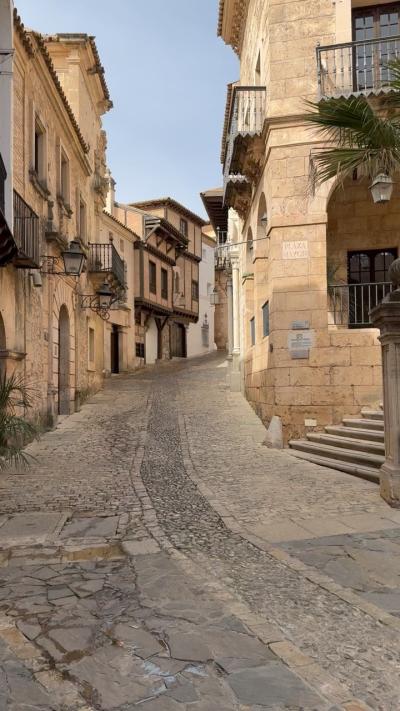
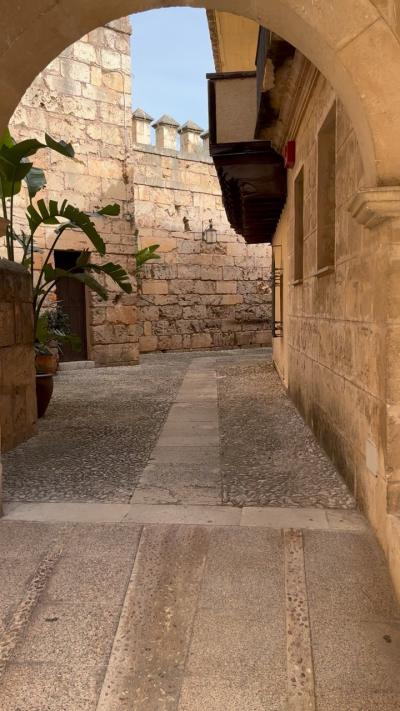
After King James I’s conquest in 1229, the arrival of Christian settlers transformed land ownership and farming patterns. The new rulers promoted estates growing wheat, wine grapes—especially around Binissalem—and livestock that suited Mediterranean conditions. Urban centers like Palma expanded as trading gateways linking the island with Catalonia and the rest of Europe. Artisans specializing in textiles, pottery, and metalwork thrived, feeding a growing merchant class. This shift coincided with fortified towns such as Pollença and Sóller gaining strategic and economic importance along the coast.
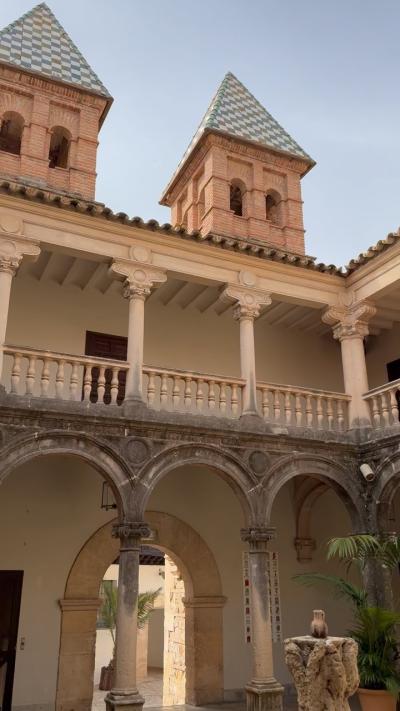
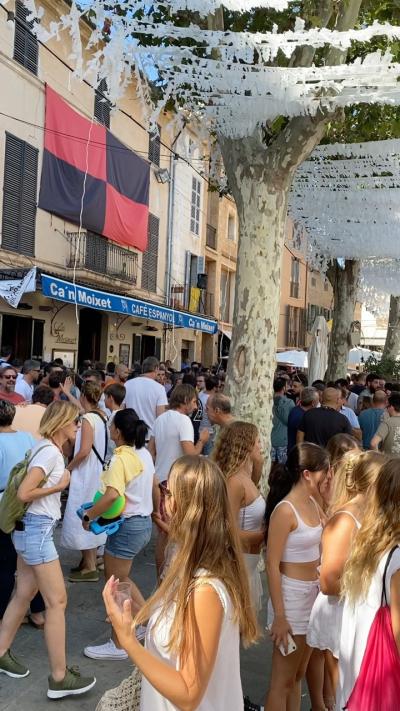
These centuries of transition layered Mallorca’s cultural and economic identity. The melding of Islamic agricultural heritage with Catalan feudal structures created a resilient rural economy alongside prosperous port towns. Today’s markets, festivals, and architecture in places like Palma’s winding old town or Deia’s coast echo this blend. Understanding how irrigation and trade routes evolved under these two powers enriches how visitors appreciate Mallorca’s landscapes and traditions, from hearty sobrassada sausages to the vineyards producing local wine.
After King James I’s conquest in 1229, the arrival of Christian settlers transformed land ownership and farming patterns. The new rulers promoted estates growing wheat, wine grapes—especially around Binissalem—and livestock that suited Mediterranean conditions. Urban centers like Palma expanded as trading gateways linking the island with Catalonia and the rest of Europe. Artisans specializing in textiles, pottery, and metalwork thrived, feeding a growing merchant class. This shift coincided with fortified towns such as Pollença and Sóller gaining strategic and economic importance along the coast.
These centuries of transition layered Mallorca’s cultural and economic identity. The melding of Islamic agricultural heritage with Catalan feudal structures created a resilient rural economy alongside prosperous port towns. Today’s markets, festivals, and architecture in places like Palma’s winding old town or Deia’s coast echo this blend. Understanding how irrigation and trade routes evolved under these two powers enriches how visitors appreciate Mallorca’s landscapes and traditions, from hearty sobrassada sausages to the vineyards producing local wine.
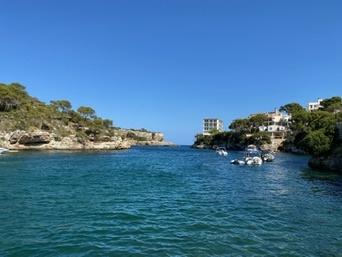
Cala Figuera
More Fotos