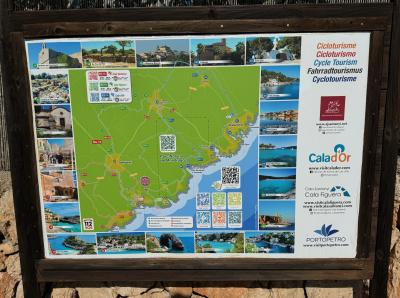
How have local Mallorcan communities responded to efforts promoting tourism on the island?
Similar Topics
mallorca tourism
local communities
sustainable tourism
cultural heritage
sobrassada
binissalem wine
environmental impact
tramuntana
Initial reactions from towns like Soller, Pollenca, and Palma tended to be cautiously optimistic as locals recognized how tourism could bolster the island's economy. Efforts to involve residents early on helped shape tourism initiatives to align with community interests. For example, festivals such as Sant Sebastià in Palma and the Festa de l'Ametler in the Tramuntana encouraged active participation and pride among locals, weaving tourism into traditional celebrations rather than displacing them.
Small artisans and producers, from sobrassada makers in Manacor to vineyards around Binissalem, have found new audiences eager to sample authentic Mallorcan flavors. This influx has translated into employment and business growth, particularly in hospitality and local crafts. Yet, concerns about the strain on natural spots like Es Trenc and Cala Mondrago have led community leaders to advocate for responsible tourism. Programs focusing on environmental protection and preserving the island's cultural heritage aim to reduce impacts, striking a balance between visitor enjoyment and local quality of life.
Dialogue continues across the island, from the mountain villages of Valldemossa and Deia along the Ma-10 to the busy coastal promenades near Alcudia. The introduction of sustainable transport options like the TIB buses and the charming Soller railway has also helped connect tourists to less crowded areas, distributing visitation more evenly. Through these ongoing efforts, the sense of partnership between visitors and residents is strengthening, helping ensure that tourism supports rather than erodes Mallorca’s unique character.
Small artisans and producers, from sobrassada makers in Manacor to vineyards around Binissalem, have found new audiences eager to sample authentic Mallorcan flavors. This influx has translated into employment and business growth, particularly in hospitality and local crafts. Yet, concerns about the strain on natural spots like Es Trenc and Cala Mondrago have led community leaders to advocate for responsible tourism. Programs focusing on environmental protection and preserving the island's cultural heritage aim to reduce impacts, striking a balance between visitor enjoyment and local quality of life.
Dialogue continues across the island, from the mountain villages of Valldemossa and Deia along the Ma-10 to the busy coastal promenades near Alcudia. The introduction of sustainable transport options like the TIB buses and the charming Soller railway has also helped connect tourists to less crowded areas, distributing visitation more evenly. Through these ongoing efforts, the sense of partnership between visitors and residents is strengthening, helping ensure that tourism supports rather than erodes Mallorca’s unique character.
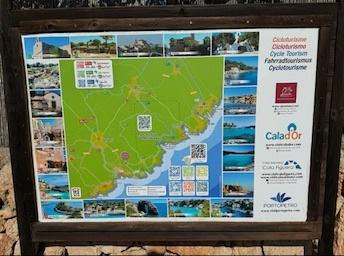
Cala Figuera
More Fotos