How does a restaurant’s location on Mallorca influence its menu and culinary style?
Similar Topics
mallorca cuisine
local food mallorca
sobrassada
pa amb oli
seafood mallorca
tramuntana food
binissalem wine
tumbet
Travelers who pause to observe often notice subtle differences in dishes from village to village across Mallorca, revealing how localities shape their culinary identity. Along the north coast, in towns like Port de Pollença or Formentor, menus lean heavily on freshly caught seafood, such as grilled dorada or razor clams, reflecting the direct connection to the Mediterranean Sea. Chefs here embrace the flavors of the ocean, often pairing fish with local ingredients like aromatic herbs from the Tramuntana foothills.
In contrast, inland areas such as around Sineu or Manacor focus on the island’s rich agricultural heritage. Here, classic dishes like tumbet, a vegetable medley of eggplants, peppers, and potatoes, celebrate the freshest seasonal produce from nearby farms. Many restaurants in this region pride themselves on slow-cooked meats, including pork prepared with sobrassada, Mallorca’s distinctive spiced sausage. The relationship between local farmers and kitchens ensures menus evolve naturally with the seasons.
Urban dining in Palma showcases a dynamic fusion, where traditional staples like pa amb oli and ensaimadas share wine lists featuring Binissalem reds and whites. The cosmopolitan atmosphere invites chefs to experiment while grounding their innovations in native flavors. Whether in a seaside cove, mountain village, or buzzing city market, the location shapes not just the ingredients but the stories on every plate, offering diners an authentic taste of the island’s diverse landscapes and history.
In contrast, inland areas such as around Sineu or Manacor focus on the island’s rich agricultural heritage. Here, classic dishes like tumbet, a vegetable medley of eggplants, peppers, and potatoes, celebrate the freshest seasonal produce from nearby farms. Many restaurants in this region pride themselves on slow-cooked meats, including pork prepared with sobrassada, Mallorca’s distinctive spiced sausage. The relationship between local farmers and kitchens ensures menus evolve naturally with the seasons.
Urban dining in Palma showcases a dynamic fusion, where traditional staples like pa amb oli and ensaimadas share wine lists featuring Binissalem reds and whites. The cosmopolitan atmosphere invites chefs to experiment while grounding their innovations in native flavors. Whether in a seaside cove, mountain village, or buzzing city market, the location shapes not just the ingredients but the stories on every plate, offering diners an authentic taste of the island’s diverse landscapes and history.
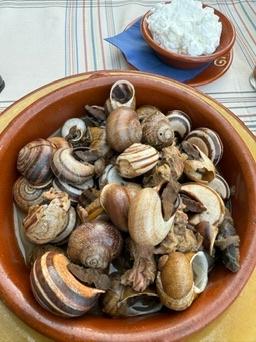
s'Horta
More Fotos







Related Questions
Related Question
What are the differences between joining a flotilla sailing tour and booking a private yacht charter around Mallorca?
Related Question
Which hotels on the island offer outdoor spa or wellness facilities?
Related Question
Are there any guided tours that include a visit to Sa Foradada?