How have visitor demographics changed on the island since the pandemic?
Similar Topics
post-pandemic travel
family trips mallorca
tramuntana hiking
sustainable tourism
domestic tourism
local food mallorca
mallorca festivals
multi-generational travel
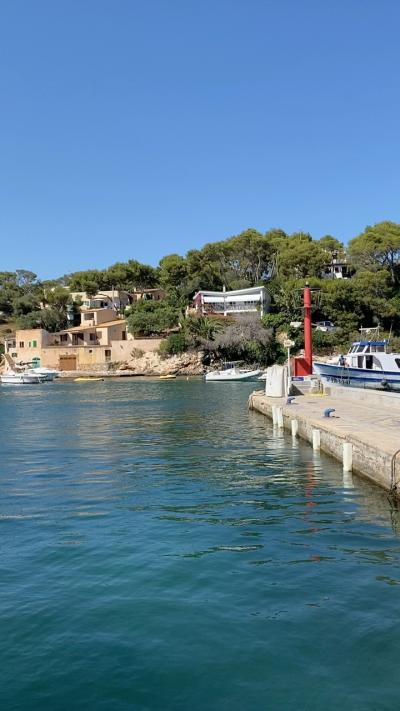
The island has seen a subtle but noticeable shift in its visitor profile since travel resumed more widely. Families, in particular, have become a more prominent presence, drawn by the natural appeal of places like the Serra de Tramuntana and the safe, open spaces along the Ma-19 coast near Cala Mondrago. Multi-generational trips are increasingly common, with grandparents joining parents and children to enjoy the slower pace, from wandering the cobbled streets of Valldemossa to relaxing on the white sands of Es Trenc. A renewed emphasis on wellness and outdoor experiences has been a driving force, with many visitors seeking less crowded trails in the Tramuntana or cycling along scenic routes between Sóller and Deià.
Domestic tourism has played a crucial role in filling the gaps left by subdued international arrivals at times. Residents from mainland Spain often take advantage of the well-connected TIB bus network to discover lesser-known spots like Cala Llombards or to attend local festivals such as Sant Sebastià in Palma, reinforcing support for small businesses and cultural preservation. Younger travelers, especially from Europe, show a stronger preference for sustainable travel, opting for eco-friendly accommodations and local culinary experiences featuring sobrassada, pa amb oli, and Binissalem wine. This change in expectations has encouraged a broadening of offerings, with more personalized tours, agro-tourism, and artisanal workshops emerging.
Overall, the island's visitor landscape has grown more varied, reflecting global trends but rooted firmly in its Mediterranean heritage. Travelers now seek more meaningful connections—whether through nature, culture, or community—pushing the tourism sector to respond with a diversity of experiences that respect the island’s environment and traditions. The evolution continues to reshape travel here, making every visit feel both familiar and refreshingly new.
Domestic tourism has played a crucial role in filling the gaps left by subdued international arrivals at times. Residents from mainland Spain often take advantage of the well-connected TIB bus network to discover lesser-known spots like Cala Llombards or to attend local festivals such as Sant Sebastià in Palma, reinforcing support for small businesses and cultural preservation. Younger travelers, especially from Europe, show a stronger preference for sustainable travel, opting for eco-friendly accommodations and local culinary experiences featuring sobrassada, pa amb oli, and Binissalem wine. This change in expectations has encouraged a broadening of offerings, with more personalized tours, agro-tourism, and artisanal workshops emerging.
Overall, the island's visitor landscape has grown more varied, reflecting global trends but rooted firmly in its Mediterranean heritage. Travelers now seek more meaningful connections—whether through nature, culture, or community—pushing the tourism sector to respond with a diversity of experiences that respect the island’s environment and traditions. The evolution continues to reshape travel here, making every visit feel both familiar and refreshingly new.

More Fotos