How does Mallorca manage waste to protect its natural landscapes?
Similar Topics
waste management
recycling in mallorca
composting
hazardous waste disposal
environmental protection
beach clean ups
sustainable tourism
tramuntana ecology
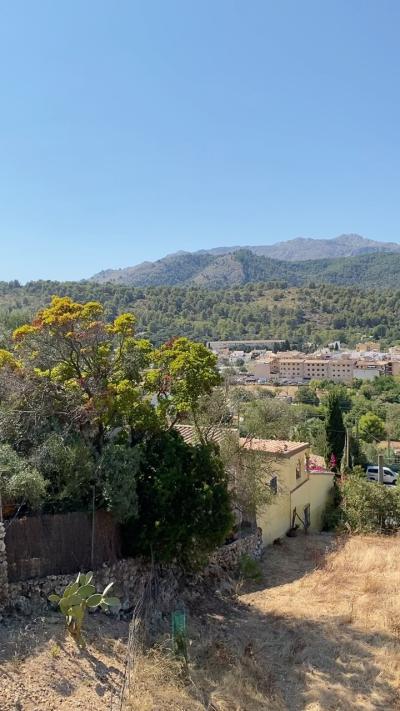
The sharp, salty scent of pine and sea on the Tramuntana slopes often contrasts with the quiet diligence behind the island’s waste management efforts. Local authorities collaborate closely with environmental groups to promote rigorous sorting of rubbish at the source, encouraging everyone from residents in Palma’s old town to visitors in Cala Mondrago to separate recyclables, organic waste, and general trash. This grassroots participation helps significantly reduce landfill volumes and supports recycling facilities around Manacor and beyond.
Hazardous materials like batteries, paint, and electronics are regularly collected through designated drop-off points and special collection days, ensuring these items don’t end up polluting beaches such as Es Trenc or the bays of Formentor. Educational campaigns using local festivals like Sant Sebastià and community beach clean-ups inspire a strong sense of collective responsibility, nurturing care for emblematic landscapes and wildlife.
Additionally, some waste is converted into energy using modern plants designed to limit emissions, balancing eco-friendly progress and necessity. With the island’s network of TIB buses and the Palma metro easing transport burdens, reducing traffic pollution complements waste reduction efforts, creating a more sustainable cycle. These strategies come together to safeguard the wild charm of places like Valldemossa and Deia, ensuring the island’s beauty remains unspoiled for generations to come.
Hazardous materials like batteries, paint, and electronics are regularly collected through designated drop-off points and special collection days, ensuring these items don’t end up polluting beaches such as Es Trenc or the bays of Formentor. Educational campaigns using local festivals like Sant Sebastià and community beach clean-ups inspire a strong sense of collective responsibility, nurturing care for emblematic landscapes and wildlife.
Additionally, some waste is converted into energy using modern plants designed to limit emissions, balancing eco-friendly progress and necessity. With the island’s network of TIB buses and the Palma metro easing transport burdens, reducing traffic pollution complements waste reduction efforts, creating a more sustainable cycle. These strategies come together to safeguard the wild charm of places like Valldemossa and Deia, ensuring the island’s beauty remains unspoiled for generations to come.
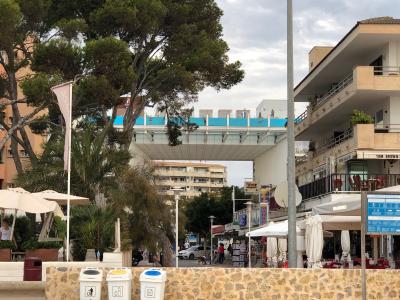
Cala Vinyes
More Fotos