When are Mallorca’s buses and trains typically less crowded for a more comfortable ride?
Similar Topics
mallorca buses
soller railway
tib bus network
off-peak travel
palma metro
ma-13 road
es trenc beach
public transport times
The public transport system here reflects a rhythm shaped by local life and tourism. Early mornings and late afternoons, when commuters are heading to and from work in Palma or the surrounding towns like Manacor and Alcudia, see the heaviest crowds. Outside these peak times—often mid to late morning and early afternoon—trains and buses tend to be much quieter, giving you a more relaxed experience, whether you’re taking the Soller railway or a TIB bus along the Ma-13 or Ma-15 routes.
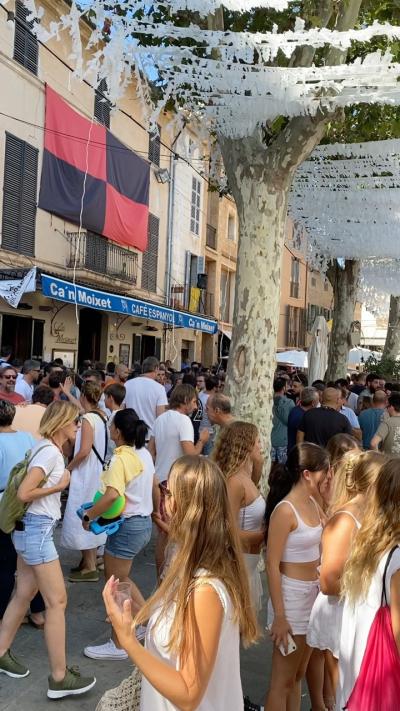
Weekdays generally show the clearest distinction between busy and quieter periods, while weekends tend to be more variable depending on seasonal tourism. Sundays and public holidays can be pleasantly calm, especially if you avoid typical excursion times to popular spots like Es Trenc beach or Formentor lighthouse. It’s smart to keep an eye on local festivities too; during events such as Sant Sebastià in Palma or Nit de Foc in the Tramuntana villages, public transport may see surges in passenger numbers.
Planning journeys around these patterns often means you can enjoy a peaceful ride through the island’s contrasts—from the bustling streets of Palma to the tranquil coves of Cala Mondrago or the mountain villages that line the Ma-10 road without fighting the crowds. The convenience of coordinated connections on the Palma metro and local buses makes exploring easier when you travel off-peak, turning commute times into moments to soak in the landscape or sample a local Ensaimada at a village café.
Weekdays generally show the clearest distinction between busy and quieter periods, while weekends tend to be more variable depending on seasonal tourism. Sundays and public holidays can be pleasantly calm, especially if you avoid typical excursion times to popular spots like Es Trenc beach or Formentor lighthouse. It’s smart to keep an eye on local festivities too; during events such as Sant Sebastià in Palma or Nit de Foc in the Tramuntana villages, public transport may see surges in passenger numbers.
Planning journeys around these patterns often means you can enjoy a peaceful ride through the island’s contrasts—from the bustling streets of Palma to the tranquil coves of Cala Mondrago or the mountain villages that line the Ma-10 road without fighting the crowds. The convenience of coordinated connections on the Palma metro and local buses makes exploring easier when you travel off-peak, turning commute times into moments to soak in the landscape or sample a local Ensaimada at a village café.

Cala Figuera
More Fotos