What are some lesser-known experiences or hidden gems to discover on the island beyond the usual tourist spots?
Similar Topics
hidden gems mallorca
tramuntana villages
soller to fornalutx
pollensa calas
sobrassada tasting
festa de l’ametler
binissalem wine
historic soller railway
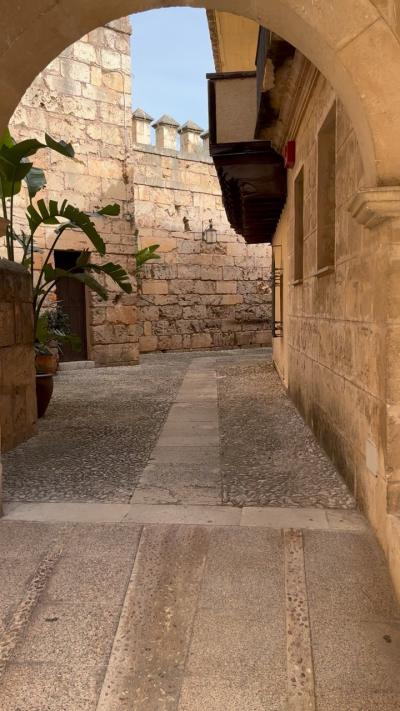
The narrow streets of Valldemossa, away from the usual bustle, hold quiet charm well worth exploring. Here, a small café tucked beneath a stone arch might serve up fresh ensaimadas with a view of terracotta rooftops framed by the Tramuntana peaks. It’s these subtle moments—where local life pulses gently—that reveal the island’s authentic spirit, contrasting with the busier scenes in Palma or Alcúdia.
Beyond the well-trodden paths, the Ma-2130 road leading from Soller to Fornalutx offers a quieter way to discover traditional villages and olive groves. Along the way, you might find a tiny workshop crafting sobrassada or artisan cheeses, inviting you to taste truly local flavors. Engaging with these craft traditions brings a deeper understanding of the island’s culinary heritage, beyond the familiar pa amb oli or tumbet served in tourist-frequented restaurants.
For those who crave nature’s embrace, lesser-known hiking trails in the northeast near Pollensa lead to hidden calas like Cala Murta or secluded spots along the coast by Formentor. These trails reveal sparkling turquoise waters and pine-scented bays, often without the crowds found at Es Trenc or Cala Mondragó. Alternatively, taking the historic Soller railway early in the morning lets you drift through olive groves and citrus orchards before the day’s visitors arrive.
Local festivals can also offer unique experiences off the main tourist radar. Consider timing your visit to join the Festa de l’Ametler in February, when blossoming almond trees perfume the mountain villages, or attend a small wine-tasting event in Binissalem to sample the island’s indigenous varietals alongside locals. Such moments showcase Mallorca’s quieter, authentic rhythms, rewarding those who look beneath the surface.
Beyond the well-trodden paths, the Ma-2130 road leading from Soller to Fornalutx offers a quieter way to discover traditional villages and olive groves. Along the way, you might find a tiny workshop crafting sobrassada or artisan cheeses, inviting you to taste truly local flavors. Engaging with these craft traditions brings a deeper understanding of the island’s culinary heritage, beyond the familiar pa amb oli or tumbet served in tourist-frequented restaurants.
For those who crave nature’s embrace, lesser-known hiking trails in the northeast near Pollensa lead to hidden calas like Cala Murta or secluded spots along the coast by Formentor. These trails reveal sparkling turquoise waters and pine-scented bays, often without the crowds found at Es Trenc or Cala Mondragó. Alternatively, taking the historic Soller railway early in the morning lets you drift through olive groves and citrus orchards before the day’s visitors arrive.
Local festivals can also offer unique experiences off the main tourist radar. Consider timing your visit to join the Festa de l’Ametler in February, when blossoming almond trees perfume the mountain villages, or attend a small wine-tasting event in Binissalem to sample the island’s indigenous varietals alongside locals. Such moments showcase Mallorca’s quieter, authentic rhythms, rewarding those who look beneath the surface.
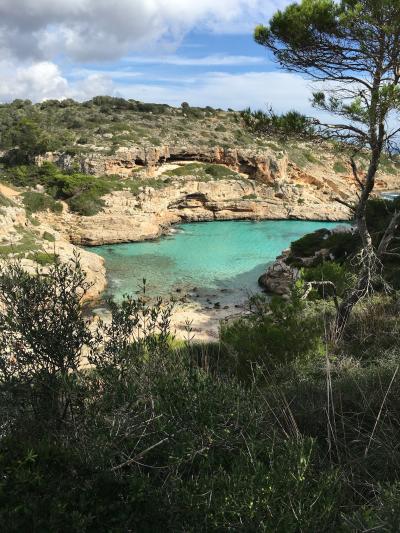
Cala Llombards
More Fotos
Related Questions
Related Question
What makes the marine life around Mallorca unique compared to other Mediterranean spots?
Related Question
Are there specific areas in Mallorca where higher-rated hotels are concentrated?
Related Question
How can I secure a reservation at popular restaurants or experiences around Palma and the Tramuntana?