What traditional music or dance festivals take place on the island that visitors can experience?
Similar Topics
mallorca festivals
sant sebastia
nit de foc
festa de l’ametler
pollenca festival
traditional mallorcan music
ball de bot
binissalem wine
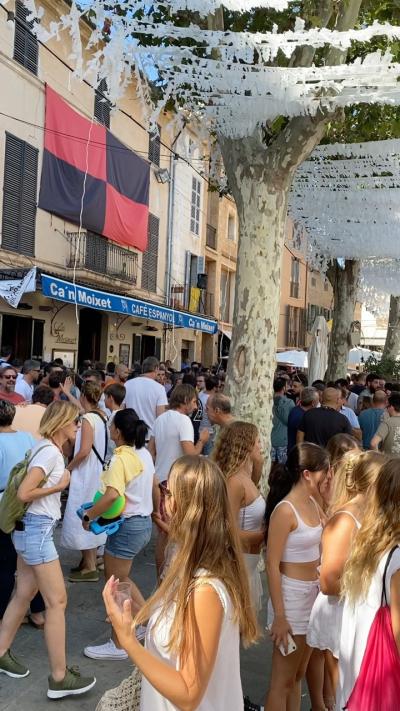
Timing a visit to coincide with one of the island’s lively festivals offers an unforgettable way to dive into its cultural roots. Palma’s Sant Sebastià festival, held every January, is renowned not only for its fireworks and street parties but also for live performances of traditional Mallorcan music, creating a vibrant soundtrack that echoes through the old town’s narrow streets. In Pollença, the Nit de Foc—a fiery celebration marking the start of Lent—features drumming, traditional dances, and spectacular fire runs, immersing visitors in age-old customs that have been passed down through generations.
During winter, the Festa de l’Ametler en Flor in Sóller celebrates the blossoming almond trees with folk music and community dances, often in the shadow of the Tramuntana mountains. Smaller villages like Valldemossa and Deià host intimate concerts showcasing local instrumentalists playing traditional instruments such as the xeremia bagpipes or the flabiol flute, providing a quieter yet authentic cultural encounter. Throughout the year, visitors can also catch traditional dance performances during town fiestas, where men and women dress in regional costumes to perform the ball de bot, a lively Mallorcan folk dance.
These festivals are often accompanied by opportunities to savor local specialties like pa amb oli and sobrassada, while sipping a glass of Binissalem wine or a digestif of Hierbas. Rich in sound and movement, the island’s music and dance festivals invite visitors to feel the pulse of Mallorcan tradition, offering a genuine connection to its people and history beyond the usual tourist trails.
During winter, the Festa de l’Ametler en Flor in Sóller celebrates the blossoming almond trees with folk music and community dances, often in the shadow of the Tramuntana mountains. Smaller villages like Valldemossa and Deià host intimate concerts showcasing local instrumentalists playing traditional instruments such as the xeremia bagpipes or the flabiol flute, providing a quieter yet authentic cultural encounter. Throughout the year, visitors can also catch traditional dance performances during town fiestas, where men and women dress in regional costumes to perform the ball de bot, a lively Mallorcan folk dance.
These festivals are often accompanied by opportunities to savor local specialties like pa amb oli and sobrassada, while sipping a glass of Binissalem wine or a digestif of Hierbas. Rich in sound and movement, the island’s music and dance festivals invite visitors to feel the pulse of Mallorcan tradition, offering a genuine connection to its people and history beyond the usual tourist trails.

Cala Figuera
More Fotos