Are there any local customs or traditions in Mallorca that I should be aware of before visiting?
Similar Topics
Mallorca customs
Mallorca traditions
Feast of Sant Joan
Mallorca festivals
local markets Mallorca
Mallorca dining customs
Mallorcan hospitality
Mallorca siesta
Mallorca cultural experience
Mallorca travel tips
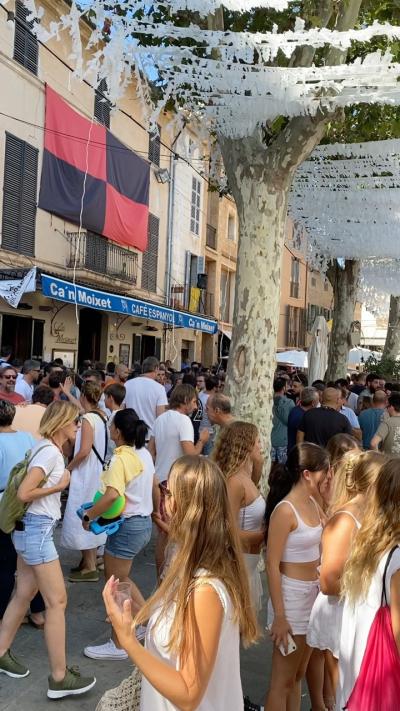
Mallorca, the largest of the Balearic Islands, is rich in customs and traditions that reflect its vibrant history and culture. One of the most important aspects of local life is the celebration of festivals, particularly those tied to religious events. For example, the Feast of Sant Joan, celebrated on June 24, is a lively occasion marked by bonfires, fireworks, and revelry that brings communities together. Visitors can expect to see traditional dances, music, and even some delicious local foods that are part of these celebrations. Engaging in these festivities is a wonderful way to immerse yourself in the local culture and experience the warmth of Mallorcan hospitality.
Another tradition to be mindful of is the importance of leisurely dining. Meals in Mallorca are often seen as a social event rather than just a necessity. Locals enjoy taking their time during lunch and dinner, sometimes spanning several hours, especially during weekends. This slower pace is a reflection of the island's laid-back lifestyle, so don't be surprised if service is a bit more relaxed than you might be used to. When dining, it’s customary to greet staff with a friendly “Bon dia” (Good day) or “Bona nit” (Good night), depending on the time, and it’s always appreciated when visitors make an effort to speak a few words of Catalan or Spanish.
Additionally, you might notice that the local markets are a vibrant part of daily life, showcasing fresh produce, artisanal goods, and traditional crafts. Visiting these markets is not only a chance to taste local delicacies but also to witness the friendly banter and community spirit that defines Mallorcan culture. Remember that the siesta is still observed in many areas, meaning some shops may close in the afternoon, so it's best to plan your shopping accordingly. By respecting these customs and traditions, you'll not only enhance your own experience but also show appreciation for the rich cultural tapestry that makes Mallorca such a special place to visit.
Another tradition to be mindful of is the importance of leisurely dining. Meals in Mallorca are often seen as a social event rather than just a necessity. Locals enjoy taking their time during lunch and dinner, sometimes spanning several hours, especially during weekends. This slower pace is a reflection of the island's laid-back lifestyle, so don't be surprised if service is a bit more relaxed than you might be used to. When dining, it’s customary to greet staff with a friendly “Bon dia” (Good day) or “Bona nit” (Good night), depending on the time, and it’s always appreciated when visitors make an effort to speak a few words of Catalan or Spanish.
Additionally, you might notice that the local markets are a vibrant part of daily life, showcasing fresh produce, artisanal goods, and traditional crafts. Visiting these markets is not only a chance to taste local delicacies but also to witness the friendly banter and community spirit that defines Mallorcan culture. Remember that the siesta is still observed in many areas, meaning some shops may close in the afternoon, so it's best to plan your shopping accordingly. By respecting these customs and traditions, you'll not only enhance your own experience but also show appreciation for the rich cultural tapestry that makes Mallorca such a special place to visit.
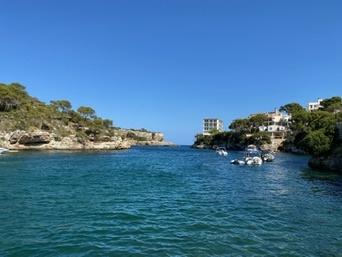
Cala Figuera
More Fotos
Related Questions
Related Question
Are there any scenic views along the train route from Inca to Sa Pobla or Manacor?
Related Question
Can I rent a kayak or paddleboard for a full day on the island, or are shorter rentals more common?
Related Question
Can tourists take part in local festival reenactments or traditional celebrations?