Who are the key participants and groups involved in Mallorca's traditional festival processions?
Similar Topics
mallorca festivals
traditional processions
local clergy
cultural associations
sant sebastia
nit de foc
serra de tramuntana
mallorca music
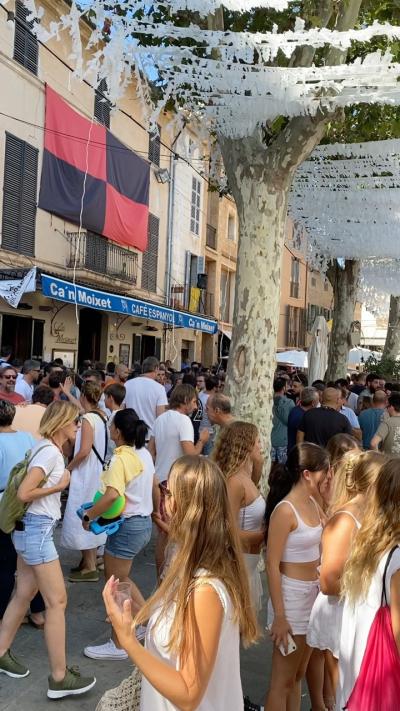
Many visitors expect Mallorca’s traditional processions to be simple religious displays, but they are far richer and more communal than that. In towns like Palma, Pollenca, and Alcudia, you’ll find local clergy leading these events with a solemn yet celebratory presence, guiding ceremonies that blend faith with centuries-old customs. Their leadership gives processions a meaningful spiritual foundation, especially during major festivals such as Sant Sebastià in Palma or the Festa de l'Ametler in the Serra de Tramuntana foothills.
Beyond the clergy, community leaders and municipal officials often take part, underscoring the importance of these events to local identity and governance. Many of the processions owe their organization to cultural associations and historical societies, which play a vital role in preserving island traditions and passing them on. These groups frequently collaborate with local schools, folk dance ensembles, and musicians to enrich processions with traditional Mallorcan music and dance, such as performances featuring 'xeremiers' (bagpipe players).
This cooperative spirit brings the island’s heritage to life in town squares and along cobbled streets, inviting both residents and visitors to share in a vibrant cultural experience. Whether it’s the fiery night celebration of the Nit de Foc in Palma or the more serene religious processions in Valldemossa and Deià, the dedication of these participants and organizations ensures the festivals remain meaningful, authentic, and deeply rooted in the island’s history.
Beyond the clergy, community leaders and municipal officials often take part, underscoring the importance of these events to local identity and governance. Many of the processions owe their organization to cultural associations and historical societies, which play a vital role in preserving island traditions and passing them on. These groups frequently collaborate with local schools, folk dance ensembles, and musicians to enrich processions with traditional Mallorcan music and dance, such as performances featuring 'xeremiers' (bagpipe players).
This cooperative spirit brings the island’s heritage to life in town squares and along cobbled streets, inviting both residents and visitors to share in a vibrant cultural experience. Whether it’s the fiery night celebration of the Nit de Foc in Palma or the more serene religious processions in Valldemossa and Deià, the dedication of these participants and organizations ensures the festivals remain meaningful, authentic, and deeply rooted in the island’s history.

Cala Figuera
More Fotos