How does the flora on Mallorca change with the seasons?
Similar Topics
Mallorca flora
seasonal changes Mallorca
wildflowers Mallorca
Mediterranean thyme
prickly pear cacti
almond trees Mallorca
olive harvesting Mallorca
wild mushrooms Mallorca
evergreen plants Mallorca
coastal grasses Mallorca
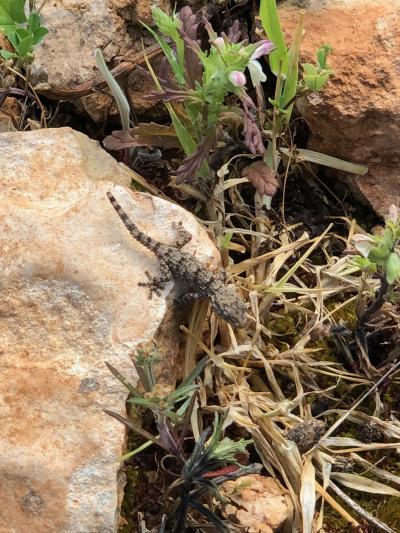
The flora on Mallorca exhibits a fascinating transformation throughout the seasons, creating a vibrant tapestry of colors and scents. In spring, the island bursts into life with an explosion of wildflowers, including the beautiful purple blooms of the Mediterranean thyme and the bright yellows of the broom. The mild temperatures and occasional rain provide the perfect conditions for the island's diverse plant species to flourish. Almond trees, in particular, create stunning vistas as they blossom in February, draping the landscape in delicate white and pink flowers.
As summer approaches, the heat intensifies, and the flora adapts accordingly. Many of the wildflowers fade, making way for resilient plants that thrive in the warmer temperatures. You will find the iconic prickly pear cacti and aromatic herbs such as rosemary and sage dominating the landscape. The forests, primarily composed of pine trees and holm oaks, offer a lush green backdrop, providing shade and relief from the sun. This season is also a time for harvesting, as many local farmers pick olives and grapes, contributing to the island’s rich culinary traditions.
Autumn brings a gentle shift, with the flora gradually preparing for the cooler months. The once-bright colors of summer begin to dull, and the leaves on some trees start to change, creating a picturesque scene of earthy tones. This is the time for wild mushrooms to emerge, delighting foragers and chefs alike. The cooler temperatures and occasional rainfall encourage the growth of various fungi, which can be found in the island's forests and meadows.
Winter in Mallorca is mild compared to many other regions, but it does bring a quieter time for the island's flora. Many plants enter a dormant phase, although the evergreen species like cypress and olive trees remain vibrant. The landscape is less colorful, yet there's a serene beauty in the starkness. The island's rugged cliffs and coastal areas still bear witness to the hardy flora that survives the winter months, such as sea fennel and various coastal grasses. This seasonal cycle not only reflects the resilience of nature but also offers visitors a unique opportunity to experience Mallorca's diverse ecosystems throughout the year.
As summer approaches, the heat intensifies, and the flora adapts accordingly. Many of the wildflowers fade, making way for resilient plants that thrive in the warmer temperatures. You will find the iconic prickly pear cacti and aromatic herbs such as rosemary and sage dominating the landscape. The forests, primarily composed of pine trees and holm oaks, offer a lush green backdrop, providing shade and relief from the sun. This season is also a time for harvesting, as many local farmers pick olives and grapes, contributing to the island’s rich culinary traditions.
Autumn brings a gentle shift, with the flora gradually preparing for the cooler months. The once-bright colors of summer begin to dull, and the leaves on some trees start to change, creating a picturesque scene of earthy tones. This is the time for wild mushrooms to emerge, delighting foragers and chefs alike. The cooler temperatures and occasional rainfall encourage the growth of various fungi, which can be found in the island's forests and meadows.
Winter in Mallorca is mild compared to many other regions, but it does bring a quieter time for the island's flora. Many plants enter a dormant phase, although the evergreen species like cypress and olive trees remain vibrant. The landscape is less colorful, yet there's a serene beauty in the starkness. The island's rugged cliffs and coastal areas still bear witness to the hardy flora that survives the winter months, such as sea fennel and various coastal grasses. This seasonal cycle not only reflects the resilience of nature but also offers visitors a unique opportunity to experience Mallorca's diverse ecosystems throughout the year.
More Fotos