How do traditional cooking methods in Mallorca differ from those on the mainland?
Similar Topics
Mallorca cuisine
traditional cooking methods
local ingredients Mallorca
seafood dishes Mallorca
wood-fired oven Mallorca
ensaimada pastry
sobrasada sausage
slow-cooking Mallorca
tumbet stew
cultural heritage Mallorca
Traditional cooking methods in Mallorca reflect the island's unique culture and history, which diverges significantly from mainland Spain. One of the most notable differences is the emphasis on local ingredients, particularly seafood and seasonal produce, which the island is abundantly blessed with. Mallorca’s cuisine often features the use of a wood-fired oven, known as a "forn," which is integral to many traditional dishes. This method imparts a distinct flavor to the food that is hard to replicate in modern kitchens. For instance, the preparation of "ensaimada," a spiral pastry that is a local favorite, benefits from the slow, even heat of these traditional ovens, resulting in a light, airy texture.
Additionally, while mainland Spanish cooking tends to showcase ingredients like olive oil and paprika, Mallorca highlights the use of "sobrasada," a cured sausage that is spiced with paprika and is a staple in many dishes. The island's cuisine also embraces the slow-cooking method, particularly in stews such as "tumbet," where vegetables are layered and cooked gently, allowing the flavors to meld beautifully. This slow-cooking approach is often seen in rural kitchens, where meals are prepared with care, often for family gatherings, making the cooking process as important as the finished dish itself.
Furthermore, the island's cooking methods often reflect a more rustic and communal approach, with many traditional recipes passed down through generations. In contrast, mainland Spanish regions may incorporate more modern techniques and influences from other culinary traditions. Therefore, dining in Mallorca offers not just a taste of its flavorful dishes, but also a glimpse into the island's rich heritage, where cooking is a communal, heartfelt experience that ties families and traditions together.
Additionally, while mainland Spanish cooking tends to showcase ingredients like olive oil and paprika, Mallorca highlights the use of "sobrasada," a cured sausage that is spiced with paprika and is a staple in many dishes. The island's cuisine also embraces the slow-cooking method, particularly in stews such as "tumbet," where vegetables are layered and cooked gently, allowing the flavors to meld beautifully. This slow-cooking approach is often seen in rural kitchens, where meals are prepared with care, often for family gatherings, making the cooking process as important as the finished dish itself.
Furthermore, the island's cooking methods often reflect a more rustic and communal approach, with many traditional recipes passed down through generations. In contrast, mainland Spanish regions may incorporate more modern techniques and influences from other culinary traditions. Therefore, dining in Mallorca offers not just a taste of its flavorful dishes, but also a glimpse into the island's rich heritage, where cooking is a communal, heartfelt experience that ties families and traditions together.
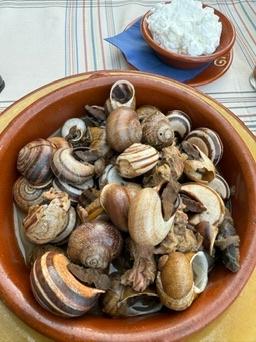
s'Horta
More Fotos