What accessibility services are available for travelers with mobility issues around Mallorca?
- Accessibility mallorca
- Wheelchair access
- Tib buses
- Palma metro
- Accessible hotels
- Serra de tramuntana
- Cala llombards
- Mobility tours
Planning a visit with mobility challenges often begins with transport, and here the island has made good progress. The TIB bus network includes low-floor vehicles with ramps and priority seating, serving major towns such as Palma, Alcudia, and Pollenca. Palma's metro and the historic Soller railway are largely accessible, though assistance may be needed on older trains. Many taxis are wheelchair-friendly, and wheelchair rental services are available in Palma and other larger towns, easing exploration beyond public transport routes.
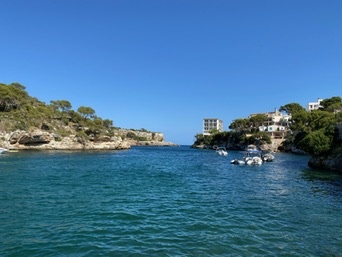
Popular sights and beaches tend to accommodate mobility needs, though the island’s varied terrain can pose challenges. In Palma, cultural venues like the Es Baluard museum and the Cathedral provide ramps and lifts, while local staff are generally helpful and responsive. However, rural spots in the Serra de Tramuntana or coves like Cala Llombards often have uneven paths, limiting access for wheelchair users. It's advisable to verify accessibility with specific attractions or accommodation providers ahead of time, especially during busy festival periods such as Sant Sebastià or Nit de Foc when crowds may affect mobility.
Many hotels across Palma, Soller, and the coastal resorts offer adapted rooms with roll-in showers and grab bars, reflecting growing awareness of diverse guest needs. Some guided tours tailor their routes for easier terrain, allowing visitors to savor highlights like Valldemossa’s historic streets or the Ma-13 scenic drive without undue difficulty. While the island’s hilly interior presents natural limits, a combination of accessible transport, thoughtfully designed public spaces, and helpful local services makes exploring both cultural hubs and beautiful beach spots achievable for those with mobility considerations.