What economic lessons from Mallorca's past downturns remain important for the island today?
Similar Topics
mallorca economy
local businesses
tourism diversification
binissalem wine
tramuntana mountains
soller railway
tib bus network
sustainable development
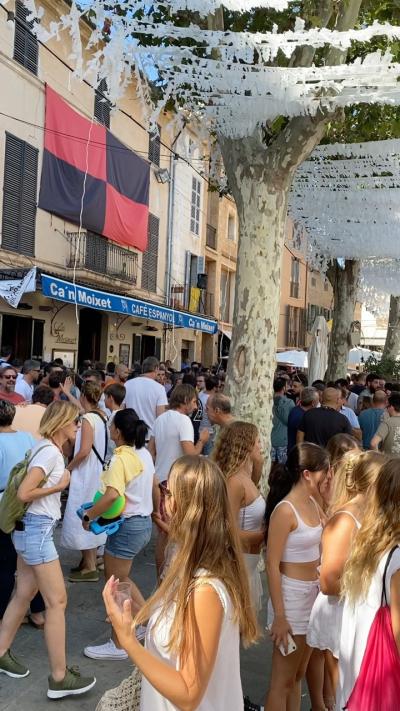
Periods of economic challenge on the island have underscored the importance of resilience and adaptability, traits still vital in navigating today's uncertainties. Communities that rallied around local businesses—whether small markets in Pollenca or artisan producers in Manacor—have shown a capacity to preserve jobs and maintain social ties during hard times. This strong sense of local solidarity, visible in village festivals like Festa de l'Ametler, continues to sustain Mallorca’s economy by offering visitors authentic experiences beyond the typical beach resorts.
Another key lesson lies in economic diversification. The island's past over-reliance on tourism left it vulnerable during downturns, but efforts to balance this with agriculture—such as cultivating Binissalem wines and olive groves around the Tramuntana—as well as emerging creative sectors, have contributed to a more stable economic base. Towns like Valldemossa and Deia now integrate cultural tourism with artisanal crafts and local gastronomy including sobrassada and tumbet, appealing to a wider variety of visitors and reducing seasonal risks.
Investment in infrastructure has also been crucial. The improvement of road networks like the Ma-13 and enhanced public transport options such as the TIB bus lines and the historic Soller railway have boosted accessibility, encouraging both tourist arrivals and commuter flows. Local authorities’ continued focus on sustainable development ensures that future growth benefits residents and visitors alike, helping Mallorca weather economic shocks while preserving its natural and cultural heritage.
Another key lesson lies in economic diversification. The island's past over-reliance on tourism left it vulnerable during downturns, but efforts to balance this with agriculture—such as cultivating Binissalem wines and olive groves around the Tramuntana—as well as emerging creative sectors, have contributed to a more stable economic base. Towns like Valldemossa and Deia now integrate cultural tourism with artisanal crafts and local gastronomy including sobrassada and tumbet, appealing to a wider variety of visitors and reducing seasonal risks.
Investment in infrastructure has also been crucial. The improvement of road networks like the Ma-13 and enhanced public transport options such as the TIB bus lines and the historic Soller railway have boosted accessibility, encouraging both tourist arrivals and commuter flows. Local authorities’ continued focus on sustainable development ensures that future growth benefits residents and visitors alike, helping Mallorca weather economic shocks while preserving its natural and cultural heritage.
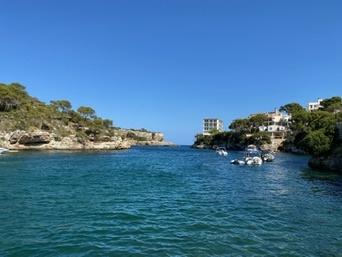
Cala Figuera
More Fotos