How do farmers in Mallorca combine traditional agriculture methods with modern techniques?
Similar Topics
mallorca farming
traditional agriculture
sobrassada production
mallorcan crops
organic farming mallorca
tramuntana farming
local produce markets
native livestock
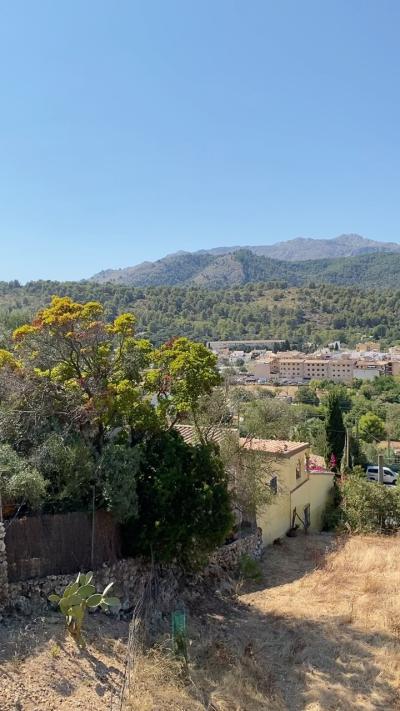
If you explore the rural heartlands around towns like Sineu, Binissalem, or Manacor, you'll find farmers deeply connected to centuries-old practices that shape the island's agricultural identity. Many continue to cultivate crops such as olives, almonds, and figs using techniques handed down through generations, including dry stone terracing in the Tramuntana and natural soil management that respects the Mediterranean climate. These traditional methods often blend seamlessly with modern irrigation and pest control, helping maintain the productivity and sustainability of farms in the face of changing weather patterns.
Livestock rearing also embraces heritage, with many farmers raising native breeds such as the Mallorquina sheep or black Balearic pigs, essential for producing sobrassada, the island’s iconic cured sausage. Pasture grazing remains common, supplementing feed and promoting animal health naturally. Some herders incorporate local herbs both for nutrition and as traditional remedies, supporting organic farming principles without sacrificing efficiency.
Local markets, especially in Palma’s Mercat de l’Olivar or the weekly fairs in Alcudia and Pollenca, provide vital outlets where producers connect directly with residents and visitors who appreciate the unique flavors of pa amb oli or freshly baked ensaimadas made from locally sourced ingredients. Engaging with these growers offers a window into Mallorca’s rich agricultural heritage, revealing a landscape where customary knowledge and contemporary needs meet to preserve the island’s rural character and biodiversity.
Livestock rearing also embraces heritage, with many farmers raising native breeds such as the Mallorquina sheep or black Balearic pigs, essential for producing sobrassada, the island’s iconic cured sausage. Pasture grazing remains common, supplementing feed and promoting animal health naturally. Some herders incorporate local herbs both for nutrition and as traditional remedies, supporting organic farming principles without sacrificing efficiency.
Local markets, especially in Palma’s Mercat de l’Olivar or the weekly fairs in Alcudia and Pollenca, provide vital outlets where producers connect directly with residents and visitors who appreciate the unique flavors of pa amb oli or freshly baked ensaimadas made from locally sourced ingredients. Engaging with these growers offers a window into Mallorca’s rich agricultural heritage, revealing a landscape where customary knowledge and contemporary needs meet to preserve the island’s rural character and biodiversity.
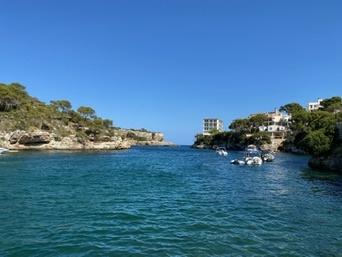
Cala Figuera
More Fotos