How did Mallorcan locals keep their language alive during Franco's dictatorship?
- Mallorca catalan
- Franco era
- Language preservation
- Serra de tramuntana
- Local traditions
- Folk festivals
- Catalan revival
- Mallorcan culture
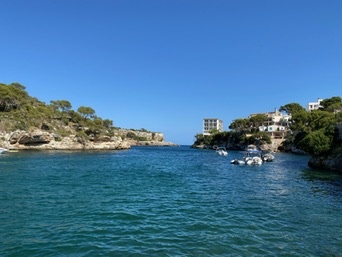
In towns like Sóller and Valldemossa, where Mallorcan Catalan has deep roots, families quietly maintained the language through everyday use despite the regime’s pressure to enforce Castilian Spanish. Though Catalan was banned from official settings and education under Franco, islanders spoke their dialect at home and in local markets where the scent of sobrassada and ensaimada filled the air. Small communities in the Serra de Tramuntana, shielded by rugged mountains, became bastions for preserving Mallorcan customs and language traditions.
Cultural resistance took subtler forms, with people gathering privately to share folk songs and stories in their native tongue and older generations teaching children the language through lullabies and conversation. Some islanders secretly circulated literature and newsletters in Catalan, a quiet act of defiance in villages like Pollença and Deià. While public use of Catalan was suppressed, the language lived on in church sermons and neighborhood festivals such as the Festa de l'Ametler, helping sustain a sense of identity through community ties.
As the dictatorship waned in the early 1970s, Catalan reemerged steadily in Palma’s streets and local media after Franco’s death in 1975. The island later embraced its linguistic heritage openly, reinstating Catalan as the co-official language alongside Spanish, with educational and cultural revival rooted in local pride. Walking along the Ma-10 or visiting the markets of Manacor today, the echoes of those quiet resistance efforts remain present in everyday conversation and the vibrant celebrations of the island’s language and traditions.