What unique features or artifacts should I seek out when exploring Mallorca's ancient ruins?
Similar Topics
mallorca ruins
talaiots
capocorb vell
roman remains
tramuntana archaeology
manacor museum
prehistoric mallorca
ancient pottery
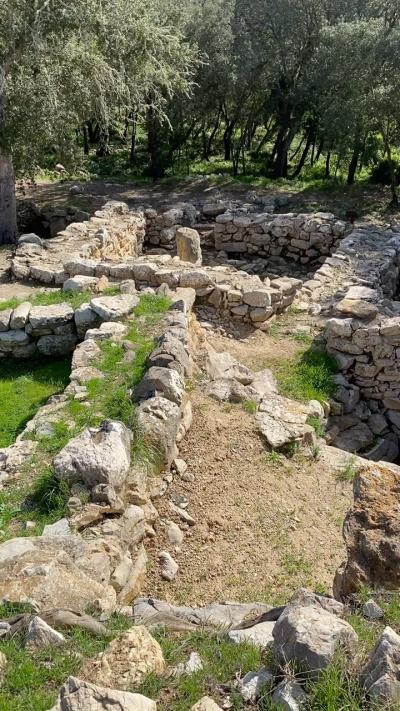
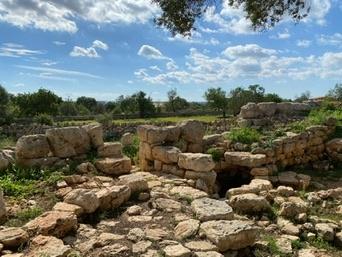
Exploring Mallorca’s ancient sites, whether the Talaiots dotted across the Tramuntana or the Roman remains near Pollenca, invites you to look closely at details that reveal the island’s layered history. Pay attention to the circular stone towers and megalithic structures characteristic of Talaiotic culture—these impressive dry-stone constructions hint at early settlements and community life. In sites like the ruins at Capocorb Vell near Llucmajor, you might spot pottery fragments or tools that speak of daily activities thousands of years ago.
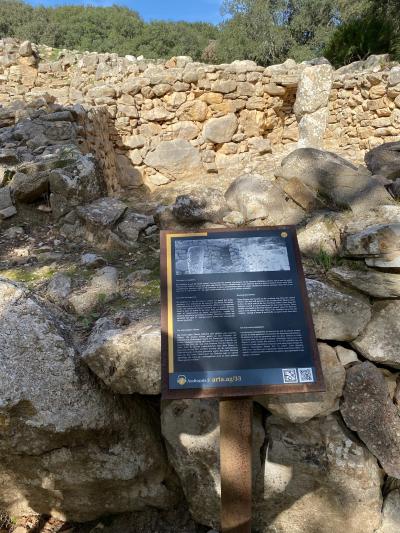
Many ruins on the island are accompanied by informative panels or local museums where you can see artifacts like ceramic vessels, bronze objects, and carved stones that connect the dots between prehistoric Islanders and later Roman influences. The museum in Manacor, for example, offers insights into the ancient artisanship of the area, reflecting the island’s unique blend of Mediterranean cultures. If you’re lucky enough to visit during a guided tour, locals often share stories about the significance of particular carvings and how the site relates to Mallorca’s agricultural past and spiritual practices.
Also consider how the ruins sit within their dramatic natural surroundings. Many are perched on hills or nestled near olive groves and pine forests, offering spectacular views that help you imagine why ancient settlers chose these spots. The interplay between the natural landscape and human-made structures enriches your understanding of how the island’s earliest inhabitants lived and adapted. Taking time to absorb both the archaeological treasures and their environmental context brings a deeper appreciation of Mallorca’s enduring legacy.
Many ruins on the island are accompanied by informative panels or local museums where you can see artifacts like ceramic vessels, bronze objects, and carved stones that connect the dots between prehistoric Islanders and later Roman influences. The museum in Manacor, for example, offers insights into the ancient artisanship of the area, reflecting the island’s unique blend of Mediterranean cultures. If you’re lucky enough to visit during a guided tour, locals often share stories about the significance of particular carvings and how the site relates to Mallorca’s agricultural past and spiritual practices.
Also consider how the ruins sit within their dramatic natural surroundings. Many are perched on hills or nestled near olive groves and pine forests, offering spectacular views that help you imagine why ancient settlers chose these spots. The interplay between the natural landscape and human-made structures enriches your understanding of how the island’s earliest inhabitants lived and adapted. Taking time to absorb both the archaeological treasures and their environmental context brings a deeper appreciation of Mallorca’s enduring legacy.
More Fotos



Related Questions
Related Question
What kind of scenery can I expect on the hikes around Cap Vermell?
Related Question
What is being done to reduce agricultural runoff and protect water quality on Mallorca?
Related Question
Are there any dress codes or local customs I should know about when visiting towns and churches in Mallorca?