Are there any dress codes or local customs I should know about when visiting towns and churches in Mallorca?
Similar Topics
mallorca dress code
local customs
church attire
smart casual dining
serra de tramuntana
palma cathedral
beachwear mallorca
traditional festivals
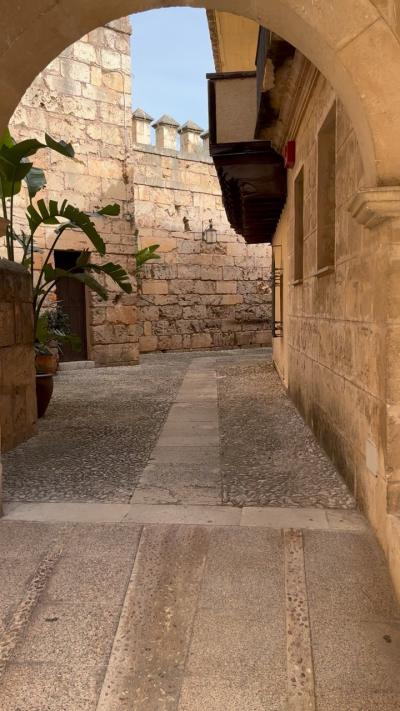
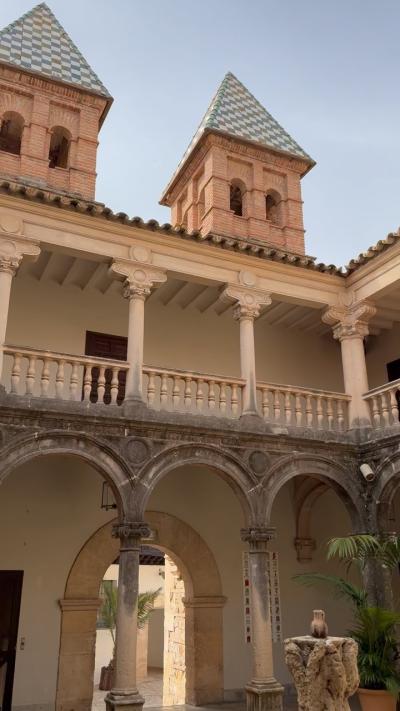
Navigating style choices here often depends on where you head. In Palma or Alcudia’s bustling streets and beach bars around Cala Mondrago or Es Trenc, casual and light clothing is perfectly acceptable, reflecting the island’s relaxed Mediterranean vibe. But when visiting historic sites such as La Seu cathedral in Palma, the quaint church in Valldemossa, or monasteries nestled in the Serra de Tramuntana, modest dress is respected—covering shoulders and knees shows proper reverence.
Carrying a lightweight scarf or shawl is handy for unexpected stops at smaller chapels or during traditional festivals like Sant Sebastià. For dining out, casual wear suits most cafés and taverns serving local delicacies like pa amb oli or tumbet, but some of Palma’s finer restaurants might expect smart casual attire—think a neat shirt or summer dress. Practical footwear is recommended if you plan to explore uneven paths along the Ma-10 through Deia or the old railway route to Sóller.
Weather fluctuations, especially outside the summer months, call for layered clothing to stay comfortable both in coastal spots and cooler mountain villages. Observing these simple customs helps visitors blend respect with the island’s warm hospitality, enriching the experience whether you’re savoring a Binissalem wine or participating in the fiery Nit de Foc celebrations.
Carrying a lightweight scarf or shawl is handy for unexpected stops at smaller chapels or during traditional festivals like Sant Sebastià. For dining out, casual wear suits most cafés and taverns serving local delicacies like pa amb oli or tumbet, but some of Palma’s finer restaurants might expect smart casual attire—think a neat shirt or summer dress. Practical footwear is recommended if you plan to explore uneven paths along the Ma-10 through Deia or the old railway route to Sóller.
Weather fluctuations, especially outside the summer months, call for layered clothing to stay comfortable both in coastal spots and cooler mountain villages. Observing these simple customs helps visitors blend respect with the island’s warm hospitality, enriching the experience whether you’re savoring a Binissalem wine or participating in the fiery Nit de Foc celebrations.
More Fotos