Are there any health precautions or local regulations I should know before visiting Mallorca?
Similar Topics
health precautions mallorca
mallorca travel health
tapping water safety
food hygiene mallorca
insect repellent mallorca
pharmacies mallorca
travel health guidelines
balearic health regulations
Locals tend to follow the usual European health recommendations, so visitors will find the health system here well organized and reliable. It’s common sense to carry your European Health Insurance Card (EHIC) or travel insurance that covers medical care, especially if you’re planning to spend time in more remote areas like the Serra de Tramuntana or the quieter coastal coves near Cala Mondrago. Pharmacies are widespread in towns such as Palma, Manacor, and Alcudia, and they offer both prescription and over-the-counter medication for common ailments.
Tap water in Palma and most towns is safe to drink, so there’s generally no need for bottled water, but if you head to rural spots like Deia or along the Ma-10 road, some travellers prefer bottled water out of caution. Food safety is high across the island’s eateries—from family-run restaurants serving tumbet and sobrassada to tapas bars in Pollenca—but if you opt for street markets, it’s wise to choose vendors who appear busy and clean, as fresh produce and meats are local staples.
During the warmer months, mosquitoes can be a nuisance, especially around marshy areas near Es Trenc or upland villages in Valldemossa, so packing insect repellent is a sensible precaution. Seasonal flu vaccines are advised for vulnerable groups, as in any European setting. Additionally, public health notices during events like Nit de Foc or Sant Sebastia festivals often include tips on staying hydrated and avoiding sunstroke. Checking the Balearic health authority’s website before your trip ensures you’re up to date on any new requirements, but overall, the island’s relaxed pace extends to health, where preparedness and respect for local customs go a long way.
Tap water in Palma and most towns is safe to drink, so there’s generally no need for bottled water, but if you head to rural spots like Deia or along the Ma-10 road, some travellers prefer bottled water out of caution. Food safety is high across the island’s eateries—from family-run restaurants serving tumbet and sobrassada to tapas bars in Pollenca—but if you opt for street markets, it’s wise to choose vendors who appear busy and clean, as fresh produce and meats are local staples.
During the warmer months, mosquitoes can be a nuisance, especially around marshy areas near Es Trenc or upland villages in Valldemossa, so packing insect repellent is a sensible precaution. Seasonal flu vaccines are advised for vulnerable groups, as in any European setting. Additionally, public health notices during events like Nit de Foc or Sant Sebastia festivals often include tips on staying hydrated and avoiding sunstroke. Checking the Balearic health authority’s website before your trip ensures you’re up to date on any new requirements, but overall, the island’s relaxed pace extends to health, where preparedness and respect for local customs go a long way.
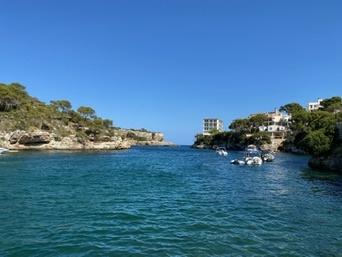
Cala Figuera
More Fotos