How has Mallorca's history of changing rulers influenced its economy today?
Similar Topics
mallorca economy
historical rulers
binissalem wine
palma port
sobrassada
serra de tramuntana
es trenc beach
sustainable tourism
Many visitors overlook how profoundly Mallorca’s succession of rulers has shaped its economic development. Long before the island became a major tourist destination, it was influenced by Romans, Moors, Catalans, and even the Aragonese crown. Each period brought changes — from agricultural techniques to trade networks — that laid the foundations of the island’s economic diversity. For example, the Moors introduced sophisticated irrigation systems, which still impact farming around towns like Manacor and Alcudia.
The Catalan and later Spanish administrations integrated Mallorca into Mediterranean trade routes, encouraging commerce through Palma’s port. These layers of influence enriched the island’s agricultural heritage, including staples such as almonds, olives, and vineyards producing celebrated Binissalem wines. Over time, local products like sobrassada sausage and ensaimadas became central to the economy, rooted in these long historical practices.
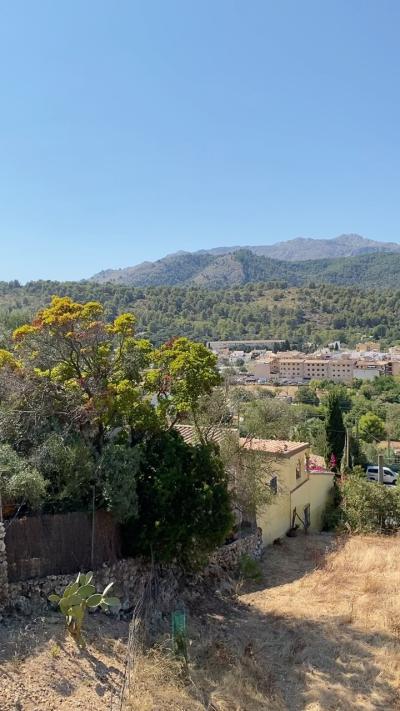
The shift towards tourism, especially from the latter half of the 20th century, transformed Mallorca dramatically. The rise of resort towns like Port de Pollenca and beach hotspots such as Es Trenc drew visitors worldwide, bringing new wealth but also dependence on seasonal travel. Today, Mallorca balances this legacy by promoting sustainable tourism alongside its traditional industries, while the Serra de Tramuntana landscape — protected by UNESCO — continues to influence both farming and outdoor leisure. Thus, historical changes in governance are etched into the economic fabric, blending agriculture, crafts, and tourism into a distinctive and resilient island economy.
The Catalan and later Spanish administrations integrated Mallorca into Mediterranean trade routes, encouraging commerce through Palma’s port. These layers of influence enriched the island’s agricultural heritage, including staples such as almonds, olives, and vineyards producing celebrated Binissalem wines. Over time, local products like sobrassada sausage and ensaimadas became central to the economy, rooted in these long historical practices.
The shift towards tourism, especially from the latter half of the 20th century, transformed Mallorca dramatically. The rise of resort towns like Port de Pollenca and beach hotspots such as Es Trenc drew visitors worldwide, bringing new wealth but also dependence on seasonal travel. Today, Mallorca balances this legacy by promoting sustainable tourism alongside its traditional industries, while the Serra de Tramuntana landscape — protected by UNESCO — continues to influence both farming and outdoor leisure. Thus, historical changes in governance are etched into the economic fabric, blending agriculture, crafts, and tourism into a distinctive and resilient island economy.

Cala Figuera
More Fotos