What historical context led to the rise of illegal constructions in Mallorca?
Similar Topics
illegal constructions Mallorca
Mallorca tourism development
Balearic government regulations
Mallorca property market
urban planning Mallorca
environmental impact Mallorca
cultural heritage Mallorca
tourism challenges Mallorca
construction boom Mallorca
Mallorca historical context
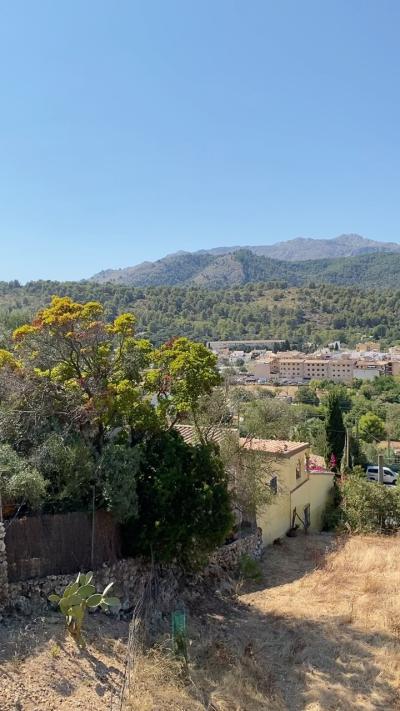
The rise of illegal constructions in Mallorca can be traced back to a combination of rapid tourism development and lax regulatory frameworks in the latter half of the 20th century. After Spain transitioned to democracy in the 1970s, Mallorca experienced an influx of tourists drawn by its stunning landscapes and pleasant climate. This surge in tourism prompted a demand for more hotels, villas, and other accommodations, leading to a frenzied construction boom. Local authorities, eager to capitalize on the economic benefits of tourism, sometimes overlooked or inadequately enforced building regulations, allowing for unauthorized developments to take place.
Additionally, the economic pressures faced by many local residents fueled the trend of illegal construction. Many sought to take advantage of the booming property market by building homes or rental properties without the necessary permits, often justifying their actions through the belief that such developments would provide much-needed income. The lack of a comprehensive urban planning strategy further compounded the issue, as areas that were once protected or designated for agricultural use were transformed into sprawling developments.
In recent years, the Balearic government has taken steps to address the issue, recognizing the environmental and cultural impact of such constructions. Stricter regulations and enforcement measures have been implemented to protect Mallorca's natural beauty and heritage. However, the legacy of past practices remains visible, and the balance between development and preservation continues to be a topic of debate among locals, developers, and environmentalists alike. Understanding this historical context enriches a visit to Mallorca, highlighting the challenges the island faces in maintaining its unique character amidst the pressures of modern tourism.
Additionally, the economic pressures faced by many local residents fueled the trend of illegal construction. Many sought to take advantage of the booming property market by building homes or rental properties without the necessary permits, often justifying their actions through the belief that such developments would provide much-needed income. The lack of a comprehensive urban planning strategy further compounded the issue, as areas that were once protected or designated for agricultural use were transformed into sprawling developments.
In recent years, the Balearic government has taken steps to address the issue, recognizing the environmental and cultural impact of such constructions. Stricter regulations and enforcement measures have been implemented to protect Mallorca's natural beauty and heritage. However, the legacy of past practices remains visible, and the balance between development and preservation continues to be a topic of debate among locals, developers, and environmentalists alike. Understanding this historical context enriches a visit to Mallorca, highlighting the challenges the island faces in maintaining its unique character amidst the pressures of modern tourism.

Cala Figuera
More Fotos