What local conservation initiatives can I learn about or support while visiting Mallorca?
Similar Topics
mallorca conservation
serra de tramuntana
es trenc dunes
posidonia oceanica
sustainable farming mallorca
binissalem wine region
local climate action
mallorca reforestation
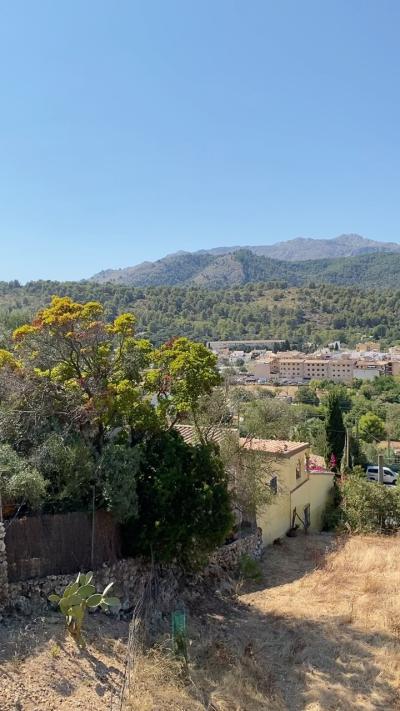
Locals around Palma, Sóller, and villages nestled in the Serra de Tramuntana have long embraced ways to protect both land and sea from the mounting effects of climate change. Efforts often revolve around preserving delicate ecosystems such as the dunes near Es Trenc beach and the pine forests that shelter the island's endemic flora and fauna. Various groups collaborate on reforestation projects, planting native pines and olive trees to restore habitats lost to wildfire or erosion, which helps lock in carbon and strengthens natural resilience.
Sustainable farming traditions remain strong in places like Binissalem and Alcúdia, where community initiatives teach organic cultivation of artichokes, tomatoes, and sobrasada pork. You might find workshops or local markets promoting these techniques, underscoring the island’s commitment to reducing chemical use and soil degradation. More urban areas benefit from education campaigns on reducing water consumption and waste, essential on an island where freshwater springs are limited.
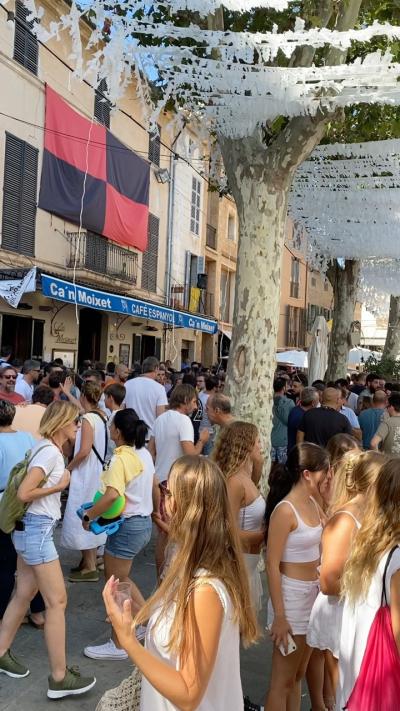
The coastlines receive particular attention, especially around Formentor and Cala Mondragó, where conservation groups monitor seagrass meadows and Posidonia oceanica, vital to marine biodiversity and carbon absorption. Visitors can get involved through voluntary beach clean-ups often coordinated around festivals like Sant Sebastià, which blend cultural heritage with environmental awareness. These community-driven projects offer a glimpse into the island’s dedication to safeguarding its natural riches amid climate pressures. Whether hiking above Valldemossa or diving near Cala Llombards, you'll encounter a landscape shaped by sustainable practices and a collective resolve to preserve it for future generations.
Sustainable farming traditions remain strong in places like Binissalem and Alcúdia, where community initiatives teach organic cultivation of artichokes, tomatoes, and sobrasada pork. You might find workshops or local markets promoting these techniques, underscoring the island’s commitment to reducing chemical use and soil degradation. More urban areas benefit from education campaigns on reducing water consumption and waste, essential on an island where freshwater springs are limited.
The coastlines receive particular attention, especially around Formentor and Cala Mondragó, where conservation groups monitor seagrass meadows and Posidonia oceanica, vital to marine biodiversity and carbon absorption. Visitors can get involved through voluntary beach clean-ups often coordinated around festivals like Sant Sebastià, which blend cultural heritage with environmental awareness. These community-driven projects offer a glimpse into the island’s dedication to safeguarding its natural riches amid climate pressures. Whether hiking above Valldemossa or diving near Cala Llombards, you'll encounter a landscape shaped by sustainable practices and a collective resolve to preserve it for future generations.
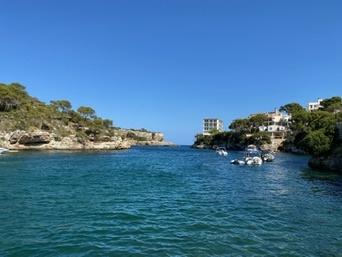
Cala Figuera
More Fotos