How is the best time to visit Mallorca for pleasant weather and local festivals?
Similar Topics
mallorca weather
spring festivals
autumn travel
serra de tramuntana
es trenc beach
binissalem wine
palma events
tib bus network
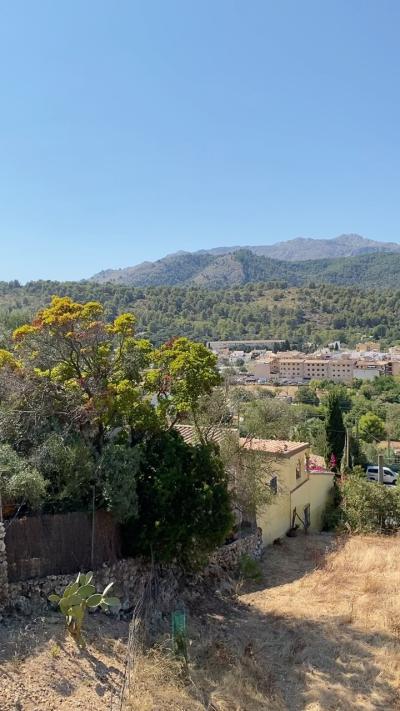
Recent years have seen spring and autumn becoming increasingly popular times to explore the island, as the high-season crowds have started to thin and the weather remains agreeable. Late March through May and September to October offer mild temperatures and blossoming landscapes, making these shoulder seasons ideal for wandering through the Serra de Tramuntana or strolling Palma’s old town without the summer bustle. During spring, the fields near Soller and Pollenca burst into color, and the almond trees are in bloom in time for the Festa de l’Ametler, a charming local celebration of this flower’s arrival.
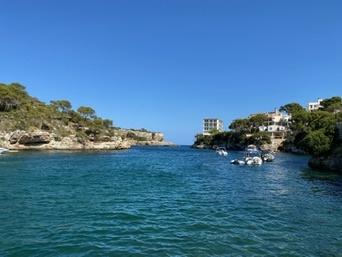
Autumn brings a gentler sun and the harvest time in Binissalem’s wine country, where vineyards are busy picking grapes for the fresh vintages. It’s also the season when the sea is still warm enough for swimming at beaches like Es Trenc, Cala Llombards, or Cala Mondrago, but without the intense summer heat. The streets of Palma come alive during the Sant Sebastià festival in January, but the smaller autumn gatherings, such as local markets in Valldemossa and Deia, offer an intimate glimpse of island life with culinary delights like pa amb oli and sobrassada.
Choosing these months also means more availability and often better rates in hotels and rural fincas across the island. Public transport, including the TIB bus lines and Palma Metro, run reliably year-round, facilitating trips to Manacor or the quieter corners near Formentor. Overall, early spring and autumn provide a wonderful balance of pleasant climate, cultural richness, and authentic encounters that reveal Mallorca’s charm beyond the peak summer season.
Autumn brings a gentler sun and the harvest time in Binissalem’s wine country, where vineyards are busy picking grapes for the fresh vintages. It’s also the season when the sea is still warm enough for swimming at beaches like Es Trenc, Cala Llombards, or Cala Mondrago, but without the intense summer heat. The streets of Palma come alive during the Sant Sebastià festival in January, but the smaller autumn gatherings, such as local markets in Valldemossa and Deia, offer an intimate glimpse of island life with culinary delights like pa amb oli and sobrassada.
Choosing these months also means more availability and often better rates in hotels and rural fincas across the island. Public transport, including the TIB bus lines and Palma Metro, run reliably year-round, facilitating trips to Manacor or the quieter corners near Formentor. Overall, early spring and autumn provide a wonderful balance of pleasant climate, cultural richness, and authentic encounters that reveal Mallorca’s charm beyond the peak summer season.

More Fotos