What local driving regulations should I know before renting a car in Mallorca?
Similar Topics
mallorca driving laws
speed limits mallorca
seat belt rules
child car seats
mobile phone use
alcohol limits mallorca
tramuntana driving
roundabout rules
Driving around the island requires awareness of specific laws and road conditions to stay safe and avoid fines. Speed limits typically range from 50 km/h in towns like Palma and Alcudia to 90–100 km/h on major roads such as the Ma-13 motorway. Many rural and mountain roads, especially winding stretches through the Serra de Tramuntana near Valldemossa or Deia, demand extra caution. Always wear seat belts, which are compulsory for all passengers, and ensure children are secured in appropriate booster or car seats.
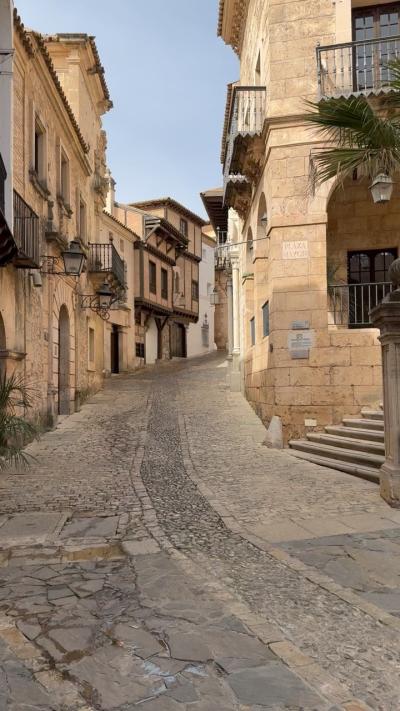
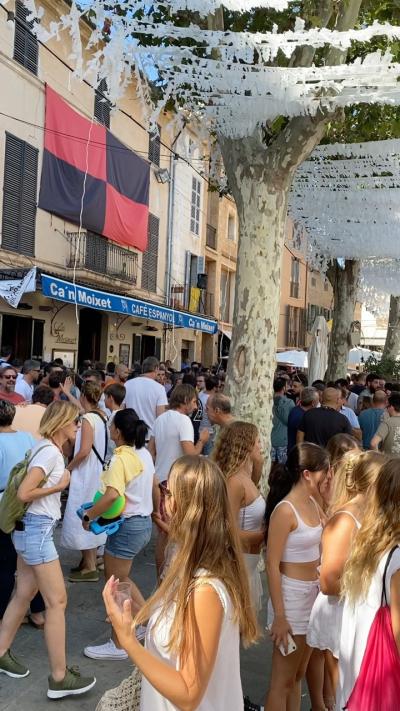
Mobile phone use without hands-free kits is illegal and strictly enforced, so avoid distractions and stay focused on narrow roads or busy pedestrian crossings in historic towns. The legal blood alcohol limit is low, in line with Spanish law, and local police conduct frequent roadside checks, particularly during major island events like Sant Sebastia in Palma or Nit de Foc in Sa Pobla. Roundabouts are common, and drivers must yield to circulating traffic, while some town centers employ restrictions or pedestrian zones, especially around Palma’s old quarter. Checking the TIB bus routes might be a good alternative if you’d prefer to avoid complex or congested driving areas altogether.
Navigating Mallorca’s unique mix of coastal roads, mountain passes, and urban streets requires patience and respect for local regulations. Planning driving routes in advance, especially if you’re exploring less-trafficked coves like Cala Llombards or heading north to Formentor, will help ensure a smooth and rewarding trip on this beautiful island.
Mobile phone use without hands-free kits is illegal and strictly enforced, so avoid distractions and stay focused on narrow roads or busy pedestrian crossings in historic towns. The legal blood alcohol limit is low, in line with Spanish law, and local police conduct frequent roadside checks, particularly during major island events like Sant Sebastia in Palma or Nit de Foc in Sa Pobla. Roundabouts are common, and drivers must yield to circulating traffic, while some town centers employ restrictions or pedestrian zones, especially around Palma’s old quarter. Checking the TIB bus routes might be a good alternative if you’d prefer to avoid complex or congested driving areas altogether.
Navigating Mallorca’s unique mix of coastal roads, mountain passes, and urban streets requires patience and respect for local regulations. Planning driving routes in advance, especially if you’re exploring less-trafficked coves like Cala Llombards or heading north to Formentor, will help ensure a smooth and rewarding trip on this beautiful island.
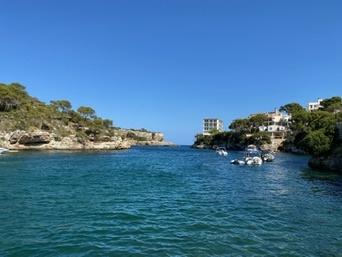
Cala Figuera
More Fotos