Is it safer to cycle on Mallorca's roads or its bike paths?
Similar Topics
mallorca cycling
tramuntana roads
bike paths mallorca
ma-10 cycling
palma bike lanes
beach cycling routes
safer cycling mallorca
tramuntana bike safety
Cycling routes around the island often trace centuries-old paths linking towns like Sóller, Valldemossa, and Pollença, where roads were originally designed for horses and carriages rather than modern vehicles. This historic layout means many country roads, such as stretches of the Ma-10 winding through the Serra de Tramuntana, are narrow and can become challenging during peak tourist seasons when traffic increases. Drivers tend to be respectful of cyclists, though on those winding mountain roads, caution is vital because of tight bends and occasional blind spots.
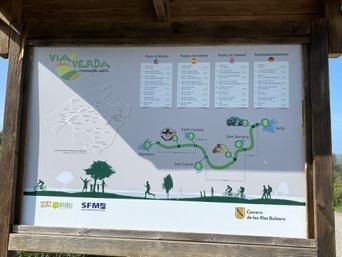
Dedicated bike paths do exist but are less common outside of urban areas. Around Palma and coastal towns, you’ll find some segregated lanes and greenways, including parts of the Muntanya bike network near Alcúdia and Palma’s recent efforts toward safer cycling infrastructure. These routes are a comfortable alternative to busy roads, especially along flatter stretches near beaches like Cala Llombards or Es Trenc.
Choosing between the roads and these dedicated paths depends largely on your cycling experience and itinerary. The island’s roads offer thrilling rides with unforgettable views but require full alertness to traffic and road conditions—watch for loose gravel and narrow shoulders. Meanwhile, conserved paths provide a safer, more relaxed environment suited to families or less confident riders. Regardless, always wear visible clothing and use lights at dusk, and don’t hesitate to ask locals in towns like Manacor or Deià for advice on quieter bike-friendly routes.
Dedicated bike paths do exist but are less common outside of urban areas. Around Palma and coastal towns, you’ll find some segregated lanes and greenways, including parts of the Muntanya bike network near Alcúdia and Palma’s recent efforts toward safer cycling infrastructure. These routes are a comfortable alternative to busy roads, especially along flatter stretches near beaches like Cala Llombards or Es Trenc.
Choosing between the roads and these dedicated paths depends largely on your cycling experience and itinerary. The island’s roads offer thrilling rides with unforgettable views but require full alertness to traffic and road conditions—watch for loose gravel and narrow shoulders. Meanwhile, conserved paths provide a safer, more relaxed environment suited to families or less confident riders. Regardless, always wear visible clothing and use lights at dusk, and don’t hesitate to ask locals in towns like Manacor or Deià for advice on quieter bike-friendly routes.
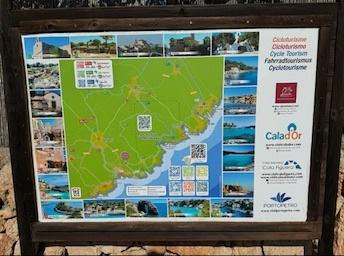
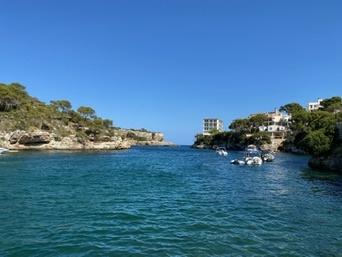
Cala Figuera
More Fotos




Related Questions
Related Question
Do I need to book tables or tickets in advance when visiting popular spots around Palma or the Tramuntana?
Related Question
Are there beaches in Mallorca where I can rent gear and join guided tours or activities?
Related Question
When is the ideal time to have a seaside picnic on Mallorca's coast?