How friendly and easy is Mallorca's public transport system for visitors who don't speak Spanish?
Similar Topics
mallorca transport
tib buses
palma metro
soller railway
tramuntana bus
public transportation
spanish language tips
mallorca travel
Getting around the island's transport network depends on whether you favor coastal routes or the mountainous interior. Along the Ma-13 motorway connecting Palma to Alcúdia and Pollença, frequent TIB buses serve popular towns and beaches, with schedules and stops usually marked in both Spanish and Catalan, though English is less common. In Palma itself, the metro and city buses include some English signage, especially near tourist areas, but announcements are mostly in Catalan or Spanish. The historic Soller railway offers a scenic journey from Palma to Soller, with helpful staff who can assist English speakers during peak season.
While reading timetables and ticket machines can initially be tricky without Spanish, locals tend to be welcoming and willing to help point tourists in the right direction. Apps for TIB buses and planning local journeys often include English options, which ease the language barrier significantly. In rural villages like Valldemossa or Deià, bus stops might lack detailed information, so checking times in advance is advisable. Once you’ve picked up a few key words—like 'autobús,' 'parada,' or 'horario'—moving around becomes more straightforward.
Many travelers find that a positive attitude combined with basic planning allows them to enjoy exploring diverse corners of the island—from the quiet coves of Cala Llombards to the dramatic Tramuntana mountain roads—with public transit. For those venturing beyond Palma and popular resorts, flexibility is vital, but the blended charm of island service personnel and clear map resources frequently make up for any language hurdles.
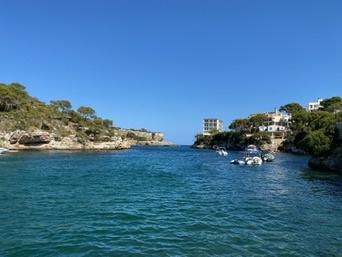
Cala Figuera
More Fotos