Which lesser-known spots around Mallorca do locals prefer to visit?
Similar Topics
mallorca hidden gems
tramuntana artisans
valldemossa crafts
deia cafes
cala mondrago
binissalem wineries
local festivals mallorca
tib bus network
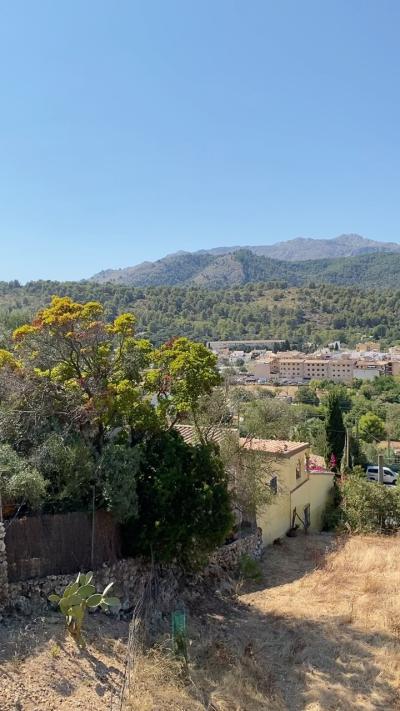
Early mornings and late afternoons reveal a different side of the island, when many head beyond the usual tourist circuits to find quiet corners beloved by residents. In the Tramuntana foothills near Valldemossa, narrow lanes lead to small artisan workshops where craftsmen still practice traditional pottery and textiles. These tucked-away studios often open sporadically, offering a chance to meet the makers and bring home something truly authentic. Climbing higher to Deià, cafés with postcard views of the sea and mountains attract locals seeking refuge from crowds, especially outside July and August.
On the east coast, near the quieter coves of Cala Llombards or Cala Mondragó, fishermen’s villages retain a mellow pace. Small family-run restaurants serve island specialities like tumbet and freshly caught seafood, accompanied by a glass of strong Hierbas poured at the table. Around Palma, visitors might discover the charm of neighbourhoods such as Santa Catalina at dusk, where locals gather at tapas bars and markets away from the downtown rush. The TIB bus or the vintage Sóller railway offer routes less traveled, opening paths to peaceful rural landscapes and wineries in Binissalem, where indigenous grape varieties thrive.
Even the island’s beaches have secret spots: instead of the busy Es Trenc, head to smaller stretches along the Ma-19 road for crystalline waters often kept to yourself. Places like Cala Figuera remain peaceful because there’s no direct public transport, rewarding those who explore on foot or by boat. Seasonal festivals like Nit de Foc or the Festa de l’Ametler may draw crowds to certain towns, but even then, pursuing local favorites off the beaten path — from secluded viewpoints to family-run cafes — reveals the island’s authentic rhythm and warmth.
On the east coast, near the quieter coves of Cala Llombards or Cala Mondragó, fishermen’s villages retain a mellow pace. Small family-run restaurants serve island specialities like tumbet and freshly caught seafood, accompanied by a glass of strong Hierbas poured at the table. Around Palma, visitors might discover the charm of neighbourhoods such as Santa Catalina at dusk, where locals gather at tapas bars and markets away from the downtown rush. The TIB bus or the vintage Sóller railway offer routes less traveled, opening paths to peaceful rural landscapes and wineries in Binissalem, where indigenous grape varieties thrive.
Even the island’s beaches have secret spots: instead of the busy Es Trenc, head to smaller stretches along the Ma-19 road for crystalline waters often kept to yourself. Places like Cala Figuera remain peaceful because there’s no direct public transport, rewarding those who explore on foot or by boat. Seasonal festivals like Nit de Foc or the Festa de l’Ametler may draw crowds to certain towns, but even then, pursuing local favorites off the beaten path — from secluded viewpoints to family-run cafes — reveals the island’s authentic rhythm and warmth.
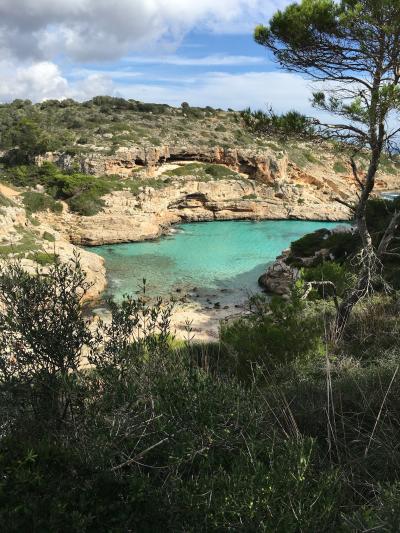
Cala Llombards
More Fotos