Are Mallorca’s major attractions accessible for visitors with mobility challenges?
Similar Topics
mallorca accessibility
wheelchair friendly
palma accessibility
accessible beaches
tramuntana accessibility
soller railway
tib bus network
accessible restaurants
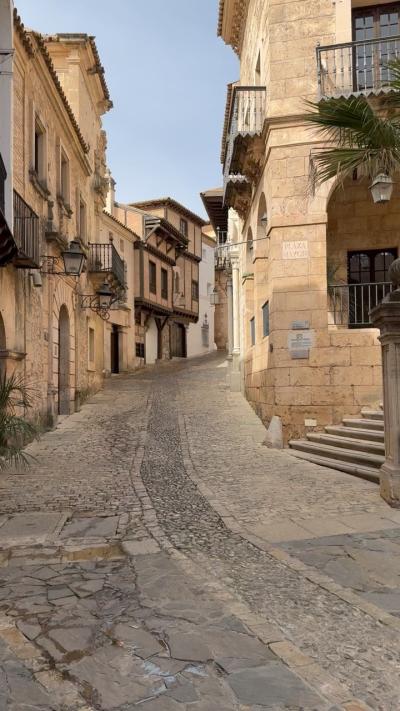
Accessibility on the island has improved noticeably in recent years, making it easier for visitors with mobility challenges to explore some of the most popular spots. In Palma, the city centre is becoming increasingly wheelchair-friendly, with ramps and adapted facilities in museums such as Es Baluard and accessible public transport options including the Palma metro. Many of the main streets around La Seu cathedral and Passeig del Born are level and well-paved, but some historic areas like the narrow lanes of Valldemossa or Deià can be more challenging for mobility aids due to their cobbled surfaces.
For natural attractions, the well-known coves of Cala Mondragó and Es Trenc have made efforts to accommodate visitors with limited mobility, with flat promenades and accessible parking nearby. However, some beaches, especially those accessed via steep paths or the rugged Serra de Tramuntana trails, remain difficult to reach without assistance. The Soller railway and the TIB bus network often have low-floor vehicles and priority seating, helping visitors navigate between towns without hassle.
Local restaurants and accommodations often provide facilities for disabled guests, but it’s worth contacting them in advance to confirm specifics. Staff at major sites and transportation services are generally helpful and willing to assist where possible. Planning ahead ensures that you’ll have a smooth, enjoyable experience discovering the island’s mix of heritage, natural beauty, and vibrant culture without unexpected obstacles.
For natural attractions, the well-known coves of Cala Mondragó and Es Trenc have made efforts to accommodate visitors with limited mobility, with flat promenades and accessible parking nearby. However, some beaches, especially those accessed via steep paths or the rugged Serra de Tramuntana trails, remain difficult to reach without assistance. The Soller railway and the TIB bus network often have low-floor vehicles and priority seating, helping visitors navigate between towns without hassle.
Local restaurants and accommodations often provide facilities for disabled guests, but it’s worth contacting them in advance to confirm specifics. Staff at major sites and transportation services are generally helpful and willing to assist where possible. Planning ahead ensures that you’ll have a smooth, enjoyable experience discovering the island’s mix of heritage, natural beauty, and vibrant culture without unexpected obstacles.
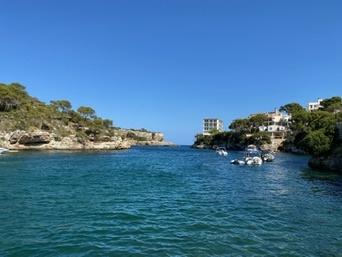
Cala Figuera
More Fotos